April 25, 2026

marketing

branding zee engels sets the stage for this enthralling narrative, offering readers a glimpse into a story that is rich in detail and brimming with originality from the outset.

This exploration delves into the multifaceted world of branding, highlighting its crucial role in marketing and the various elements that contribute to a strong brand identity. From the power of language and visual elements to the need for consistency and the impact of digital platforms, understanding these components is essential for any business striving for success.

Understanding Branding

Branding is a fundamental aspect of marketing that goes beyond just a logo or a name; it embodies the essence of a company’s identity and its promise to customers. A strong brand creates a lasting impression and fosters loyalty, enabling businesses to stand out in a crowded marketplace. It can influence consumer behavior, enhance recognition, and evoke emotions that resonate with target audiences.The significance of branding in marketing lies in its ability to communicate value and establish trust.

For instance, companies like Apple and Nike have mastered branding by creating a distinct image that resonates with consumers. Their branding strategies include innovative product design, emotional storytelling, and consistent messaging across all platforms, which have contributed to their immense success and customer loyalty.

Elements of Strong Brand Identity

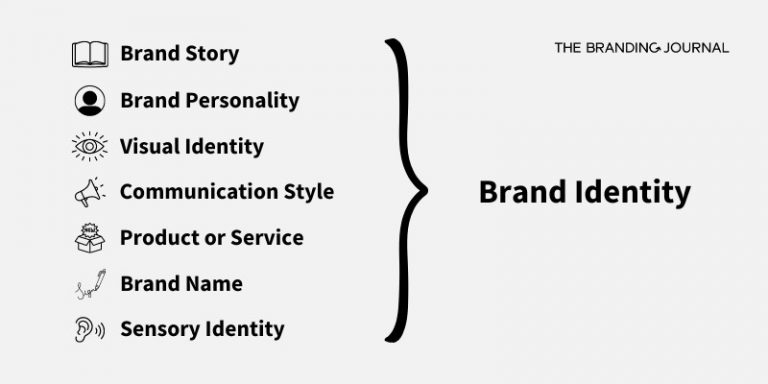
A strong brand identity comprises several key elements that work together to create a cohesive image in the minds of consumers. Understanding these components is crucial for developing an effective branding strategy.

  • Logo: The visual representation of the brand, which should be simple yet memorable, and instantly recognizable.
  • Color Palette: The selection of colors associated with the brand, which can evoke specific emotions and create a connection with the audience.
  • Typography: The fonts used in branding materials that reflect the brand’s personality and tone.
  • Voice and Tone: The style of communication that conveys the brand’s values and personality, whether it’s formal, casual, playful, or authoritative.
  • Tagline: A memorable phrase that encapsulates the brand’s mission and core message, making it easier for consumers to remember.
  • Imagery: The overall visual style, including photography and graphics that align with the brand’s identity and appeal to its target audience.

The combination of these elements creates a unique brand identity that not only differentiates a company from its competitors but also fosters an emotional connection with its customers. A well-defined brand identity helps in building recognition, trust, and loyalty, which are essential for long-term success in any industry.

The Role of Language in Branding
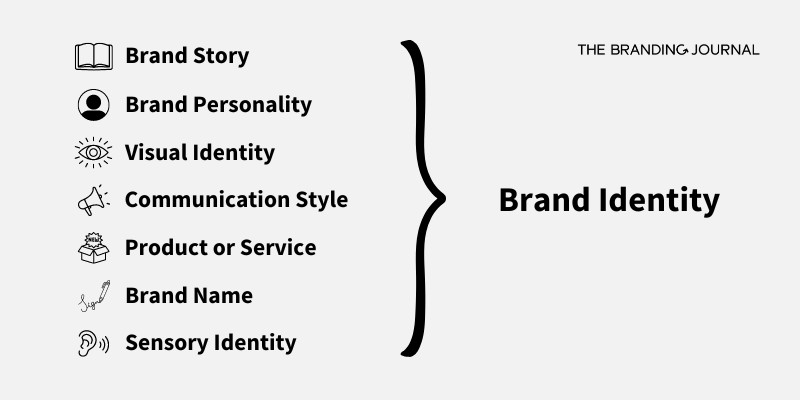
What Is Brand Identity? | The Branding Journal

Language plays a crucial role in shaping how a brand is perceived. It is not merely a tool for communication but a powerful element that can evoke emotions, create connections, and influence consumer behavior. The choice of words, tone, and linguistic style can greatly impact a brand’s identity and the message it conveys to its audience.

The language used in branding can establish a brand’s personality and values. For instance, brands that utilize casual, playful language often come across as friendly and accessible, while those that opt for formal, sophisticated language may appeal to a more elite audience. The implications of language in branding can be seen in various case studies where specific word choices have resulted in significant shifts in brand recognition and consumer engagement.

Influence of Language on Brand Recognition

The impact of language on brand recognition can be significant, as evidenced by various marketing campaigns and brand strategies. Brands often tailor their messaging to resonate with specific demographics, which can enhance their visibility and relatability. Here are a few notable examples:

  • Apple: Their use of simple, clear language in advertising, such as “Think Different,” emphasizes innovation and creativity, making the brand easily recognizable and relatable.
  • Nike: The slogan “Just Do It” reflects motivation and empowerment, creating a strong emotional connection with consumers seeking inspiration.
  • Coca-Cola: The phrase “Open Happiness” encapsulates joy and sharing, reinforcing the brand’s association with positive experiences.

In addition to these examples, language can enhance brand messaging through specific words and phrases that resonate with target audiences. Brands can craft messages that reflect their values, mission, and personality, leading to stronger consumer loyalty.

Effective Words and Phrases in Branding

Choosing the right words can significantly enhance a brand’s messaging, making it more memorable and impactful. Effective language can convey the brand’s essence and foster a deeper connection with the audience. Below is a list of powerful words and phrases that can elevate brand communications:

  • Innovative
  • Exclusive
  • Empowering
  • Authentic
  • Sustainable
  • Transformative
  • Unmatched
  • Crafted with care
  • Join the movement
  • Experience the difference

These words and phrases not only enhance clarity but also evoke emotions that align with the brand’s values and mission. The careful selection and strategic placement of language can lead to a more profound impact on branding efforts, ensuring that the intended message reaches and resonates with the target audience.

“The right words can paint a vivid picture in the minds of consumers, making branding not just about products, but about experiences.”

Visual Elements of Branding

The visual identity of a brand is a crucial element that significantly influences consumer perception and engagement. A well-defined visual identity not only helps distinguish a brand in a crowded marketplace but also establishes a connection with the audience. Logos, typography, imagery, and color schemes play a pivotal role in conveying the brand’s message and values.The importance of color in branding cannot be overstated.

Different colors evoke various emotions and associations, which can directly affect how a brand is perceived. For instance, blue often conveys trust and reliability, making it a popular choice for financial institutions, while red can evoke excitement and urgency, commonly used in the food industry. Understanding the psychological impact of colors allows brands to strategically choose their palettes to attract and resonate with their target audience.

Color Emotions in Branding

Brands carefully select colors to elicit specific emotional responses that align with their identity. Here’s a breakdown of common colors and their associated emotions:

Color Emotion Brands
Red Excitement, Passion Coca-Cola, Netflix
Blue Trust, Calmness Facebook, IBM
Green Growth, Health Starbucks, Whole Foods
Yellow Optimism, Energy IKEA, McDonald’s
Purple Luxury, Creativity Yahoo!, Taco Bell

The color choices are not arbitrary; they are based on extensive research into consumer behavior and psychological responses. By understanding these emotional triggers, brands can effectively communicate their core values and establish a strong emotional connection with their audience.

Key Visual Branding Elements of Major Companies

Analyzing the visual identity of leading companies reveals how they utilize specific elements to reinforce their brand presence. This table compares the visual branding elements of several major companies, highlighting their logos, color schemes, and overall aesthetic.

Company Logo Color Scheme Visual Identity Features
Apple

Minimalist apple shape, sleek design

Black, White, Silver Modern, Innovative, Premium feel
Nike

Swoosh symbol

Black, White Dynamic, Athletic, Motivational
Coca-Cola

Classic script logo

Red, White Classic, Refreshing, Inviting
Google

Colorful wordmark

Blue, Red, Yellow, Green Friendly, Accessible, Fun
McDonald’s

Golden arches

Yellow, Red Welcoming, Fast, Family-friendly

Each of these companies has crafted a visual identity that not only stands out but also resonates deeply with their audience. The use of logos and color schemes plays a significant role in reinforcing brand recognition and loyalty.

Brand Consistency

Maintaining brand consistency is essential for building trust and recognition among consumers. When customers encounter the same brand message, tone, and visuals across various channels, it reinforces their perception of the brand and enhances loyalty. Consistency not only creates a strong identity but also aids in differentiating the brand from competitors.Brand consistency is critical across all branding channels to ensure that customers have a unified experience, regardless of where they encounter the brand.

Inconsistent branding can lead to confusion, diluted brand identity, and, ultimately, loss of customer trust. This is particularly crucial in a digital age where consumers interact with brands through numerous platforms, each with its unique characteristics and audience expectations.

Strategies for Maintaining Brand Consistency

Implementing effective strategies for maintaining brand consistency in different markets is vital for global brands. Here are several approaches to consider:

  • Develop a Brand Style Guide: A comprehensive brand style guide Artikels the do’s and don’ts of branding elements, including logos, colors, typography, and tone of voice. This ensures that everyone involved in the brand’s communication adheres to the same standards.
  • Centralize Brand Management: Having a central team or platform that oversees all branding efforts across various markets helps maintain consistency. This team can coordinate marketing efforts and ensure that all materials align with the brand’s core message.
  • Regular Training for Staff: Providing ongoing training for employees on the brand’s values, message, and visual identity is crucial. This empowers them to embody the brand consistently in their interactions.
  • Monitor Brand Performance: Utilize analytics tools to track how the brand is perceived across different channels and markets. Regularly assessing performance allows for adjustments to be made promptly if inconsistencies arise.

Challenges in Maintaining Brand Consistency

Businesses often face several challenges in their pursuit of brand consistency, especially in diverse markets. Understanding these challenges can help in developing effective solutions.

  • Market Variability: Different markets may have varying cultural norms, preferences, and expectations. Striking the right balance between localization and maintaining brand identity can be difficult.
  • Team Discrepancies: With multiple teams or agencies involved in branding efforts, discrepancies in messaging and visuals can occur, leading to an inconsistent brand experience.
  • Rapid Market Changes: The fast-paced nature of consumer preferences and market trends can make it challenging to maintain consistency. Brands must adapt while staying true to their core identity.
  • Resource Limitations: Smaller businesses may face limitations in resources to effectively manage and oversee brand consistency across multiple platforms, leading to potential lapses in branding efforts.

“Consistency breeds trust, and trust is the foundation of a successful brand.”

Branding in the Digital Age

The digital landscape has fundamentally redefined how brands communicate with their audiences. In an era where information is just a click away, brands must adapt to new norms and expectations, ensuring that their message resonates across various platforms. Social media has emerged as a powerful tool for brand promotion, allowing for real-time engagement, customer feedback, and the creation of brand communities.

Understanding this shift is crucial for any brand aiming to thrive in today’s competitive environment.The rise of social media has transformed branding strategies by providing a direct channel between brands and consumers. Brands can now convey their message and engage with their audience in a more authentic and interactive manner. This has led to a shift from traditional, one-way marketing to a more collaborative approach where customer opinions and feedback play a significant role in shaping brand identity.

Effective branding in the digital age requires a keen understanding of various digital platforms and the ability to leverage them to build a strong, cohesive brand presence.

Techniques for Leveraging Digital Platforms for Effective Branding

Utilizing digital platforms effectively can enhance brand visibility and foster customer loyalty. Here are several techniques that brands can employ to maximize their online presence:

Engaging Content Creation

Develop content that resonates with your target audience. This can include blog posts, videos, and infographics that showcase your brand’s values and expertise.

Social Media Campaigns

Run targeted marketing campaigns on platforms like Instagram, Facebook, and Twitter to reach specific demographics and drive engagement.

Influencer Partnerships

Collaborate with influencers who align with your brand’s values. This can amplify your reach and credibility among their followers.

User-Generated Content

Encourage customers to share their experiences with your products on social media. This not only increases engagement but also builds trust in your brand.

Data Analytics

Utilize analytics tools to monitor engagement rates and track the effectiveness of your branding strategies. Adjust your approach based on insights gathered.To support these techniques, various tools and software can aid in digital branding efforts. These tools streamline processes and offer valuable insights that can drive branding success.

Tools and Software for Digital Branding

Implementing the right tools can significantly enhance your branding strategy. Below is a list of essential tools that can aid in digital branding efforts:

Canva

A user-friendly graphic design tool that helps create visually appealing marketing materials.

Hootsuite

A social media management platform that allows brands to schedule posts and analyze social media performance.

Google Analytics

A powerful tool for tracking website traffic, user behavior, and campaign performance.

Buffer

An intuitive application for scheduling posts across various social media channels, helping to maintain consistent engagement.

Mailchimp

An email marketing service that allows brands to create targeted email campaigns and manage subscriber lists effectively.

BuzzSumo

A content research tool that helps identify trending topics and influential content creators in your industry.By leveraging these tools and incorporating effective strategies, brands can navigate the complexities of the digital age and build a strong, impactful presence online.

Measuring Brand Impact

Measuring the impact of branding is essential for any business looking to gauge the effectiveness of its marketing strategies. Understanding how branding influences customer perceptions, loyalty, and overall success can provide valuable insights for future endeavors. Various methods can be employed to assess branding effectiveness and determine how well a brand resonates with its target audience.One effective approach to measuring brand impact is through the use of specific metrics and performance indicators that can give a clear picture of brand health.

These methods help in evaluating consumer awareness, engagement, loyalty, and overall sentiment toward the brand.

Methods for Assessing Branding Effectiveness

A variety of methods can be utilized to assess the effectiveness of branding efforts. Here are some key techniques:

  • Brand Awareness Surveys: These surveys assess how well the target audience recognizes and recalls the brand.
  • Social Media Engagement Metrics: Analyzing likes, shares, comments, and overall engagement can provide insights into brand perception and audience connection.
  • Sales Data Analysis: Tracking sales before and after branding campaigns can help measure the direct impact of branding efforts on revenue.
  • Customer Feedback: Collecting qualitative data from customers through reviews, testimonials, and focus groups can reveal insights into brand perception.

Key Performance Indicators (KPIs) are crucial in identifying brand success. They provide tangible metrics that reflect how well branding strategies are performing. Some vital KPIs to consider include:

  • Brand Loyalty Rate: Measures the percentage of repeat customers who continue to buy from the brand.
  • Net Promoter Score (NPS): Evaluates customer willingness to recommend the brand to others, indicating overall satisfaction.
  • Brand Equity Score: Assesses brand value based on consumer perceptions and market position.
  • Customer Acquisition Cost (CAC): Calculates the cost associated with acquiring a new customer, giving insight into marketing efficiency.

Conducting Brand Perception Surveys

Conducting brand perception surveys is a structured process designed to gather insights about how consumers view a brand. Here’s a step-by-step approach to conducting these surveys effectively:

  1. Define Objectives: Clearly Artikel what you aim to achieve with the survey, such as understanding brand awareness, customer satisfaction, or perception changes over time.
  2. Identify the Target Audience: Determine who will participate in the survey. This could be existing customers, potential customers, or a specific demographic segment.
  3. Design the Survey: Create questions that are clear, concise, and targeted. Use a mix of multiple-choice, rating scales, and open-ended questions to gather diverse data.
  4. Distribute the Survey: Choose appropriate channels for distribution, such as email, social media, or through your website, ensuring it reaches your intended audience.
  5. Analyze the Data: After collecting responses, analyze the data to identify trends, strengths, weaknesses, and areas for improvement.
  6. Report Findings: Summarize the insights gained from the survey in a report that highlights key findings and actionable recommendations.

Implementing these methods can provide a clearer picture of brand impact and help businesses refine their branding strategies for greater success.

The Future of Branding

As the landscape of consumer behavior continues to evolve, so too does the practice of branding. The future of branding will be shaped by emerging trends that leverage technology, consumer expectations, and a deeper understanding of market dynamics. In this context, brands will need to be more adaptive and innovative to remain relevant and resonate with their audiences.Technological advancements are at the forefront of redefining branding practices.

From artificial intelligence to augmented reality, these innovations are creating new avenues for engagement and personalization. Brands that harness these tools effectively will not only enhance consumer experiences but also streamline their operational strategies, ensuring a cohesive brand message across channels.

Emerging Trends in Branding

Several trends are anticipated to significantly influence the future of branding. The following table Artikels potential future branding strategies and their implications for businesses and consumers.

Branding Strategy Implications
Personalization through AI Enhances consumer experience by delivering customized content and product recommendations based on individual preferences.
Augmented Reality Experiences Allows consumers to interact with products in a virtual space, fostering deeper engagement and reducing return rates.
Sustainability Branding Aligns brand values with eco-conscious consumer behavior, appealing to a growing demographic that prioritizes sustainable practices.
Community-Centric Branding Builds brand loyalty by engaging with local communities and addressing their unique needs, enhancing brand trust.
Data-Driven Brand Strategies Utilizes consumer insights and analytics to inform brand strategy, ensuring decisions are backed by real-time data.

Incorporating these strategies will not only help brands stay ahead of the curve but also foster stronger connections with their audiences. As brands continue to evolve, those who embrace change and innovate will likely lead the way in the branding landscape of the future.

Last Recap

In summary, branding zee engels provides a comprehensive look into the intricate dynamics of branding, emphasizing the importance of a well-crafted identity in today’s market. As we navigate the future of branding, it’s clear that adapting to emerging trends and leveraging technology will be vital for brands looking to maintain relevance and resonance with their audiences.

FAQ Compilation

What is the main purpose of branding?

The main purpose of branding is to create a unique identity for a product or service that resonates with consumers, fostering brand loyalty and recognition.

How does social media impact branding?

Social media has changed the branding landscape by providing platforms for direct engagement with consumers and allowing brands to communicate their values and messages in real-time.

What are some key performance indicators for brand success?

Key performance indicators for brand success often include brand awareness, customer loyalty, social media engagement, and sales growth.

How can a brand maintain consistency across different markets?

A brand can maintain consistency by developing clear guidelines for brand messaging and visual identity, ensuring that all teams are aligned on the brand’s core values and presentation.

What are some emerging trends in branding?

Emerging trends in branding include the use of artificial intelligence for personalized marketing, the rise of sustainability in brand messaging, and the integration of augmented reality in consumer experiences.


This marketing definition journal article delves into the evolving landscape of marketing thought. From its historical roots to contemporary trends, we explore the core components of a robust marketing definition, examining how these definitions shape branding strategies and influence real-world applications across diverse industries.

The article analyzes key elements like customer value, exchange processes, and societal impact, highlighting the interplay between academic theory and practical application. We also explore how digital marketing, social media, and sustainability are reshaping our understanding of marketing in the modern era.

Introduction to Marketing Definitions

Marketing definitions have undergone a significant evolution, mirroring the shifting landscape of business and consumer behavior. Early interpretations focused primarily on transactional exchanges, while modern perspectives acknowledge the multifaceted nature of creating, communicating, and delivering value to customers. This evolution reflects the growing complexity of the marketing discipline and its integration with other fields like psychology and sociology.The diverse schools of thought in marketing, from the production-oriented approach to the relationship marketing perspective, have profoundly shaped the field.

Understanding these different viewpoints is crucial for appreciating the nuances and challenges of contemporary marketing practice. Each perspective offers a unique lens through which to understand the role of marketing in driving business success.

Evolution of Marketing Definitions

The concept of marketing has evolved significantly over time. Early marketing efforts were largely focused on product distribution and sales. The rise of mass production and the subsequent need for wider market reach led to the development of more sophisticated marketing strategies. As consumer needs and expectations grew, so did the complexity of marketing definitions, encompassing concepts such as customer satisfaction, brand building, and value creation.

These shifts reflect the changing dynamics of the market, from a seller’s market to a buyer’s market, and the growing recognition of the importance of customer relationships.

Different Marketing Schools of Thought

Various schools of thought have influenced the development of marketing definitions. A production-oriented approach, for instance, prioritizes efficiency and cost reduction. A sales-oriented perspective emphasizes aggressive selling techniques. Marketing concepts like the marketing concept, the societal marketing concept, and the relationship marketing approach further elaborate on the importance of customer needs and satisfaction. Understanding these different perspectives provides insight into the diverse approaches taken by organizations to achieve their marketing objectives.

Comparison of Marketing Definitions

Source Definition of Marketing Key Focus Strengths Limitations
Philip Kotler (2023) “Marketing is the activity, set of institutions, and processes for creating, communicating, delivering, and exchanging offerings that have value for customers, clients, partners, and society at large.” Creating value, customer satisfaction, broader societal impact. Comprehensive, encompassing multiple stakeholders. Potentially broad, may lack practical applicability.
American Marketing Association (2023) “Marketing is the activity, set of institutions, and processes for creating, communicating, delivering, and exchanging offerings that have value for customers, clients, partners, and society at large.” Exchanging offerings with value, diverse stakeholders. Broad perspective, emphasizes relationships. May be perceived as abstract for some businesses.
Harvard Business Review (2023) “Marketing is the art and science of creating, communicating, and delivering value to customers and managing customer relationships in ways that benefit the organization and its stakeholders.” Value creation, customer relationships, organizational benefit. Emphasizes strategic management aspects. Could overlook the societal impact aspect.

This table provides a comparative overview of marketing definitions from various academic sources, highlighting the key focus, strengths, and limitations of each. The variations reflect the evolving understanding of marketing as a multifaceted discipline.

Key Elements of a Marketing Definition

A robust marketing definition must encompass the core principles driving modern business strategies. It should transcend simplistic descriptions and articulate the multifaceted nature of marketing activities in today’s dynamic environment. This involves understanding the fundamental components that define marketing’s essence.A comprehensive definition should not only identify the key players but also highlight the crucial processes and outcomes. Modern marketing transcends the traditional “selling” approach, focusing instead on building enduring customer relationships and creating lasting value.

This evolution is reflected in the evolving definitions used to describe the discipline.

Customer Focus

A central element in any modern marketing definition is a customer-centric approach. Successful marketing today isn’t just about promoting products or services; it’s about understanding and fulfilling customer needs and desires. This involves deep research into customer behavior, preferences, and pain points. Companies must actively listen to their customers and tailor their offerings accordingly. A focus on customer satisfaction, loyalty, and advocacy is paramount.

This holistic view considers the customer journey, from initial awareness to post-purchase support.

Value Creation

A robust marketing definition should emphasize the creation of value for both the customer and the organization. This isn’t merely about offering a product or service; it’s about providing a solution that addresses a need or desire and delivers tangible benefits. This value can be functional, emotional, or social, depending on the specific product or service. In the competitive marketplace, value creation is critical for attracting and retaining customers.

Value can be demonstrated in the form of cost savings, improved convenience, enhanced quality, or even a positive social impact.

Exchange Processes

Marketing involves a series of exchanges between the organization and its customers. This encompasses the processes of identifying, developing, and delivering value propositions that satisfy customer needs. A clear understanding of these exchange processes is essential for successful marketing campaigns. The exchange is not simply a transaction; it involves a complex interplay of communication, negotiation, and relationship building.

Effective exchange processes facilitate mutual benefit and lead to sustainable relationships.

Perspectives on Marketing

Perspective Focus Example
Consumer-centric Prioritizes customer needs and satisfaction. A company meticulously studies customer reviews and feedback to improve its products.
Product-centric Focuses on the features and benefits of the product. A company highlights the technical specifications and performance of its new smartphone model.
Societal Marketing Considers the broader social and environmental impact of marketing activities. A company promotes environmentally friendly packaging and production methods.

Modern marketing necessitates a multifaceted approach that integrates these various perspectives. A successful marketer recognizes that customer needs, product attributes, and societal concerns are all interconnected and must be considered when developing marketing strategies.

Marketing Definitions in Academic Journals

Academic journals play a crucial role in shaping the understanding and application of marketing concepts. A deep dive into the published literature reveals a wealth of insights into how marketing is defined, and how these definitions evolve over time. This exploration delves into prominent marketing journals, highlighting recurring themes and approaches in their published marketing definitions.Understanding the nuances of marketing definitions across different academic journals is essential for marketers seeking to stay abreast of current research and theoretical advancements.

This analysis provides a comprehensive overview of the landscape of marketing definitions, offering insights into diverse perspectives and methodological approaches.

Prominent Marketing Journals

Several journals are renowned for publishing articles focusing on marketing definitions, theories, and applications. These journals often feature cutting-edge research, thought-provoking discussions, and in-depth analyses that contribute to the evolving body of knowledge in marketing. Key examples include the

  • Journal of Marketing*,
  • Marketing Science*,
  • Journal of the Academy of Marketing Science*, and
  • International Journal of Research in Marketing*. These journals attract scholars from diverse backgrounds, leading to a rich exchange of ideas and a variety of perspectives on marketing.

Common Characteristics and Trends

A consistent observation across marketing definition articles published in prominent journals is the emphasis on the dynamic and evolving nature of marketing. Articles often acknowledge the shift from traditional transactional approaches to more contemporary relationship-building and customer-centric models. There is also a notable trend toward incorporating technological advancements and their impact on marketing strategies, reflecting the digital transformation of the marketplace.

Furthermore, definitions often incorporate social and ethical considerations, highlighting the importance of sustainability and responsible marketing practices.

Different Approaches to Defining Marketing

Scholars employ diverse methodologies and frameworks in their approaches to defining marketing. Some articles might adopt a historical perspective, tracing the evolution of marketing thought and highlighting key milestones in its development. Others might employ a conceptual framework, breaking down marketing into its core components and exploring their interrelationships. Still others focus on specific contexts, such as service marketing or digital marketing, leading to definitions tailored to particular industry segments or market conditions.

Categorization of Marketing Journals by Focus

Journal Primary Focus
Journal of Marketing Broad overview of marketing principles and practices, encompassing various aspects like segmentation, targeting, positioning, and branding.
Marketing Science Quantitative and analytical approaches to marketing, emphasizing mathematical modeling and statistical analysis to understand consumer behavior and market dynamics.
Journal of the Academy of Marketing Science Multidisciplinary perspectives on marketing, including insights from economics, psychology, and sociology, aiming for a holistic understanding of marketing phenomena.
International Journal of Research in Marketing Focus on empirical research, market research, and consumer behavior, often incorporating case studies and qualitative analysis to investigate marketing challenges and opportunities.
Journal of Service Research Specific focus on service marketing, exploring unique aspects of service encounters, customer relationships, and service quality.
Journal of Digital Marketing Specific focus on digital marketing, exploring online strategies, social media marketing, and other digital platforms.

Marketing Definitions and Branding Strategy

Marketing definitions serve as the foundational principles upon which effective branding strategies are built. A clear understanding of what constitutes marketing, encompassing its scope and key elements, directly influences how a brand positions itself in the market and interacts with its target audience. This, in turn, shapes the brand’s identity, messaging, and overall success. Different marketing definitions lead to varied interpretations of the brand’s purpose and value proposition, ultimately influencing the approach to building brand equity.A well-defined marketing strategy, rooted in a precise understanding of the target market and their needs, enables brands to develop a cohesive and consistent brand identity.

This coherence strengthens the brand’s recognition and memorability, fostering trust and loyalty among consumers. Conversely, a poorly defined marketing framework can result in a fragmented and inconsistent brand image, diminishing the brand’s appeal and potentially damaging its reputation. This underscores the critical importance of aligning marketing definitions with branding strategies.

Influence of Marketing Definitions on Branding Strategies

Marketing definitions significantly shape the approach to building a brand. A functionalist marketing definition, for example, might prioritize product features and benefits, resulting in a brand strategy focused on showcasing product quality and performance. Conversely, a relationship-oriented marketing definition might emphasize customer experience and long-term relationships, leading to a brand strategy focused on building trust and loyalty through exceptional customer service.

Comparison of Branding Strategies Based on Marketing Definitions

Different companies adopt varying branding strategies based on their unique marketing definitions. Nike, emphasizing athletic performance and empowerment, exemplifies a functionalist approach, focusing on product attributes and showcasing athletes’ achievements. Conversely, Patagonia, committed to environmental sustainability and ethical sourcing, showcases a brand strategy grounded in social responsibility and environmental consciousness, appealing to customers who share similar values.

Relationship Between Brand Identity and Marketing Definition

A strong brand identity is inextricably linked to a clear marketing definition. A well-defined marketing framework clarifies the brand’s purpose, values, and target audience, directly impacting the brand’s visual identity, messaging, and overall character. A company’s marketing definition informs the brand’s personality, voice, and the overall customer experience. A marketing definition that prioritizes innovation, for example, might result in a brand identity that emphasizes cutting-edge technology and forward-thinking design.

Application of Different Marketing Definitions in Building Brand Identity

Marketing Definition Brand Identity Focus Brand Positioning Messaging
Functionalist Product features, performance, quality Value-driven, results-oriented Focus on tangible benefits, demonstrable results
Relationship-oriented Customer experience, loyalty, trust Customer-centric, supportive, trustworthy Focus on building relationships, exceptional service
Social-oriented Values, community, social responsibility Ethical, responsible, community-focused Highlight shared values, social impact

Impact of Marketing Definition on Brand Positioning and Messaging

A company’s marketing definition directly informs its brand positioning and messaging. A brand positioned as a leader in innovation, for instance, would utilize marketing messages emphasizing cutting-edge technology and forward-thinking design. This positioning and messaging, derived from the underlying marketing definition, would guide all brand communications and interactions with the target audience. A brand committed to customer experience would consistently communicate its dedication to exceptional service and relationship building.

Contemporary Trends in Marketing Definitions

Modern marketing landscapes are constantly evolving, driven by technological advancements, global interconnectedness, and a growing emphasis on ethical considerations. These forces necessitate a re-evaluation of traditional marketing definitions, leading to a more nuanced and comprehensive understanding of the discipline. Contemporary marketing definitions reflect these dynamic shifts, embracing new strategies and methodologies while acknowledging the enduring principles of value creation and customer satisfaction.The traditional understanding of marketing, often focused on product-centric strategies and mass-market campaigns, is now being complemented by approaches that prioritize customer experience, personalization, and data-driven insights.

This evolution is driven by the pervasive influence of digital technologies and the emergence of new marketing channels.

Emerging Trends in Marketing Definitions

Contemporary marketing definitions are increasingly incorporating digital marketing, social media marketing, and sustainable practices. The rise of online platforms and mobile devices has fundamentally altered how businesses interact with customers, requiring a more digital-first approach to marketing. This includes optimizing websites for search engines, creating engaging social media campaigns, and utilizing data analytics to personalize customer experiences.

Role of Technology and Globalization

Technology plays a pivotal role in shaping contemporary marketing definitions. Globalization further enhances the need for adaptability and cultural sensitivity in marketing strategies. Companies now need to navigate diverse markets and cultures while ensuring their messages resonate across borders. Marketing strategies must be tailored to specific regional nuances and preferences to achieve optimal outcomes.

Ethical Considerations in Marketing

Ethical considerations are increasingly shaping marketing definitions. Consumers are more discerning and expect businesses to operate with transparency and integrity. The increasing awareness of social responsibility and environmental sustainability is reflected in contemporary marketing approaches, demanding accountability and ethical practices in all marketing activities. Companies are increasingly incorporating sustainability principles into their products, operations, and marketing campaigns.

A prime example of this trend is the growing adoption of circular economy principles, promoting product longevity and reducing waste.

Challenges and Opportunities in Applying Traditional Definitions

Applying traditional marketing definitions in the modern context presents both challenges and opportunities. Traditional marketing approaches, while providing a foundational understanding of market principles, may not adequately address the complexity of the digital landscape and the need for rapid adaptation. The ability to quickly adapt marketing strategies to changing consumer preferences and technological advancements is a key element of success in the modern market.

Simultaneously, the core principles of understanding customer needs, creating value, and building relationships remain crucial for success in any market context.

Summary of Key Trends

Trend Description Impact
Digital Marketing Integration of online platforms and channels into marketing strategies. Increased personalization, data-driven insights, and enhanced customer engagement.
Social Media Marketing Leveraging social media platforms for brand building, engagement, and customer interaction. Improved brand visibility, direct customer feedback, and real-time marketing opportunities.
Sustainable Marketing Incorporating environmental and social responsibility into marketing strategies. Increased brand loyalty, attracting socially conscious consumers, and promoting long-term value creation.
Globalization Adapting marketing strategies to diverse cultural contexts. Enhanced market penetration, improved customer understanding, and fostering cross-cultural exchange.
Ethical Considerations Prioritizing transparency, integrity, and social responsibility in marketing practices. Building trust with consumers, promoting brand reputation, and ensuring long-term sustainability.

Illustrative Examples of Marketing Definitions

Examining diverse marketing definitions from academic journals reveals a spectrum of perspectives, each contributing to a nuanced understanding of the field. These definitions, while often overlapping, offer distinct frameworks for comprehending marketing strategies and their impact on various business contexts. Analyzing how these definitions translate into real-world applications, and the strengths and weaknesses of each, is crucial for marketers seeking effective strategies.Various academic publications have presented marketing definitions, reflecting evolving understandings of the discipline.

These definitions provide a lens through which to analyze the complexities of marketing, highlighting the different ways businesses interact with their target audiences. Their applicability in diverse industries, however, warrants careful consideration.

Specific Examples of Marketing Definitions from Academic Journals

Different academic journals have proposed various definitions of marketing, reflecting evolving perspectives on the subject. These definitions often emphasize different aspects of the process, highlighting the multifaceted nature of marketing.

  • One definition might focus on the exchange process, emphasizing the transfer of value between businesses and consumers. This definition could highlight the importance of customer satisfaction and building lasting relationships. An example could involve a journal article focusing on the impact of social media on consumer engagement and how brands build loyalty through these platforms.
  • Another definition could concentrate on the strategic role of marketing in achieving organizational goals, emphasizing market analysis and segmentation. This perspective could be evident in a journal article that examines the marketing strategies of companies in rapidly growing sectors, emphasizing the importance of market research and customer segmentation in their success.
  • A third approach might emphasize the societal implications of marketing, highlighting its role in shaping consumer preferences and influencing societal values. An example of this could be found in an article examining the ethical considerations of marketing to vulnerable populations or the impact of marketing campaigns on environmental sustainability.

Applying Definitions in Real-World Scenarios

Understanding how marketing definitions translate into real-world applications is crucial. Different definitions can guide different marketing strategies. For instance, a definition focusing on exchange could drive strategies centered on customer acquisition and satisfaction, while a definition focusing on organizational goals might prioritize market analysis and competitive positioning.

Impact on Marketing Practices

The chosen marketing definition significantly influences marketing practices. A definition emphasizing exchange, for example, might lead to a focus on customer relationship management and personalized communication. Conversely, a definition emphasizing strategic alignment might lead to a greater emphasis on market research and competitive analysis.

Strengths and Weaknesses of Different Definitions

Each definition possesses strengths and weaknesses. A definition emphasizing exchange might be limited in its ability to capture the complexities of modern marketing, which often involve intricate strategic planning and sophisticated market analyses. Conversely, a definition focused solely on strategic goals might neglect the human element and the emotional connection between brands and consumers. These differences highlight the importance of recognizing the context-specific nature of marketing definitions.

Practical Implications of Different Definitions

The practical implications of different definitions vary widely. For example, a definition focused on exchange could lead to a more customer-centric approach, potentially enhancing customer loyalty. A definition focused on strategic goals might prioritize market positioning and competitive analysis, enabling companies to better compete in the market. Understanding these differences is crucial for companies to adapt their marketing strategies to their specific needs and objectives.

Comparison of Marketing Definitions Across Industries

The practical application of different marketing definitions varies across industries. This difference stems from the unique characteristics of each sector, including the target market, competitive landscape, and the products or services being offered.

Industry Focus of Definition (e.g., Exchange, Strategic, Societal) Practical Application Strengths Weaknesses
Technology Strategic, with an emphasis on innovation and market leadership Focus on product development, brand positioning, and market penetration strategies Effective in dynamic markets, emphasizes innovation and leadership Might overlook the emotional connection with customers
Fashion Exchange, emphasizing customer experience and brand identity Focus on creating engaging experiences, building community, and promoting aspirational lifestyles Effective in connecting with target audiences, builds brand loyalty Might be less effective in targeting specific demographics
Food and Beverage Societal, focusing on ethical sourcing and sustainability Emphasis on transparency, ethical practices, and environmental responsibility Builds trust and brand reputation, resonates with environmentally conscious consumers May limit product options due to ethical constraints

The Role of Customer Value in Marketing Definitions

Customer value is a cornerstone of modern marketing. A central theme across diverse marketing definitions is the concept of providing value to customers. This emphasis reflects a shift from a seller-centric to a customer-centric approach, recognizing that success hinges on satisfying customer needs and desires. Different perspectives on value contribute to a nuanced understanding of its role in shaping marketing strategies.Effective marketing strategies recognize that customer value is not static but rather dynamic and context-dependent.

It’s a complex interplay of perceived benefits, costs, and expectations, which vary across customer segments and market conditions. The concept acknowledges that customers weigh different aspects of a product or service, such as quality, price, convenience, and brand reputation, when evaluating value. Consequently, companies must meticulously analyze and respond to these evolving value perceptions to maintain customer loyalty and drive growth.

Defining Customer Value

Customer value is typically defined as the perceived benefits a customer receives from a product or service, minus the perceived costs associated with acquiring and consuming it. This includes tangible benefits like product features and functionality, as well as intangible benefits like status, convenience, and brand trust. Costs can encompass monetary costs (price), time spent, effort required, and even psychological costs.

Different frameworks and models exist to illustrate this interplay, such as the Customer Value Proposition (CVP) framework. These frameworks highlight the significance of understanding and managing customer perceptions of value.

Measuring Customer Value

Various metrics are used to measure customer value, reflecting the multifaceted nature of the concept. Financial metrics, such as customer lifetime value (CLTV) and customer acquisition cost (CAC), quantify the financial impact of customer relationships. Behavioral metrics, such as customer retention rates and purchase frequency, assess the strength of customer engagement. Furthermore, attitudinal metrics, such as customer satisfaction scores and Net Promoter Scores (NPS), provide insights into customer perceptions and loyalty.

A comprehensive approach integrates these metrics to gain a holistic view of customer value.

Customer Value and Branding Strategy

Strong branding is deeply intertwined with delivering exceptional customer value. Brands that consistently provide value-driven experiences foster trust and loyalty. For instance, Apple’s brand reputation is built on a consistent history of delivering innovative products and excellent customer service, reinforcing the perceived value for customers. Similarly, companies like Amazon cultivate customer value through their extensive selection, low prices, and convenient delivery options.

These strategies not only enhance customer loyalty but also reinforce brand identity and recognition.

Customer Value in the Marketing Mix

Customer value is integrated across all elements of the marketing mix. Product development, pricing strategies, and distribution channels are all shaped by an understanding of customer value perceptions. Effective marketing communication emphasizes the benefits and value proposition of the product or service, tailoring messages to resonate with specific customer segments. Ultimately, all aspects of the marketing mix should work synergistically to deliver a compelling value proposition that satisfies customer needs and desires.

Examples of Companies Effectively Using Customer Value

Several companies excel at incorporating customer value into their marketing strategies. For example, Netflix, through its vast library of content and personalized recommendations, enhances customer value by providing convenient and entertaining experiences. Similarly, companies like Starbucks focus on building strong customer relationships through personalized service, premium quality, and a welcoming atmosphere, highlighting the emotional value proposition for customers.

These companies effectively leverage customer value to foster brand loyalty and drive revenue growth.

The Relationship Between Marketing and Society

Marketing is no longer simply about selling products or services; it’s increasingly intertwined with societal values and expectations. This evolving relationship necessitates a deeper understanding of how social responsibility, ethics, and sustainability shape marketing definitions and practices. A crucial aspect of modern marketing is its acknowledgment of the profound impact its activities have on society.Marketing definitions reflect the changing social landscape, adapting to concerns about ethical practices, environmental impact, and societal well-being.

This dynamic interplay underscores the importance of a socially conscious approach to marketing, recognizing that businesses operate within a larger societal context.

Social Responsibility and Societal Impact

Marketing’s role in society extends beyond the simple exchange of goods and services. Businesses are increasingly expected to demonstrate social responsibility, impacting communities and environments positively. Definitions of marketing must acknowledge this evolving expectation, encompassing not just profitability but also social and environmental considerations. Companies that demonstrate social responsibility often see enhanced brand reputation and consumer loyalty.

Ethical Considerations in Marketing

Ethical considerations are integral to modern marketing. Marketing practices must adhere to high ethical standards, avoiding misleading claims, deceptive tactics, or exploitation. Marketing definitions should incorporate ethical principles, recognizing that ethical conduct is not merely a legal requirement but a cornerstone of responsible business practices. Examples of ethical concerns include issues surrounding advertising to vulnerable populations, privacy protection, and truthful representations of products or services.

The Role of Sustainability in Shaping Marketing Definitions

Sustainability is a significant driver in shaping contemporary marketing definitions. Definitions now often emphasize environmentally conscious practices, resource efficiency, and the long-term well-being of the planet. Sustainable marketing focuses on creating products and services that minimize environmental impact, utilizing eco-friendly materials, and promoting responsible consumption. This evolution reflects a growing societal awareness of environmental issues and the need for businesses to contribute to a sustainable future.

Evolution of Social Responsibility in Marketing Definitions

Era Key Characteristics Example of Definition Emphasis
Pre-1990s Focus primarily on product and promotion; limited consideration of societal impact. Marketing as a process of exchange focused on profit maximization.
1990s-2000s Growing awareness of social issues; emergence of stakeholder theory. Marketing as a process that considers the needs of various stakeholders (customers, employees, communities).
2010s-Present Strong emphasis on sustainability, ethical practices, and corporate social responsibility (CSR). Marketing as a process that integrates social, environmental, and economic considerations.

Marketing’s Role in Societal Progress

Marketing, when practiced responsibly, can be a powerful force for societal progress. By promoting products and services that address societal needs, marketing can stimulate economic growth, create jobs, and improve quality of life. It can also drive innovation and encourage the development of sustainable solutions. A clear example of this is the growing market for sustainable and ethical products, which demonstrates a societal shift towards responsible consumption.

This positive influence is contingent on marketing being practiced with integrity and a focus on societal benefit.

Conclusive Thoughts

In conclusion, this exploration of marketing definitions reveals a dynamic field constantly adapting to changing societal needs and technological advancements. The article underscores the importance of understanding the historical context, key elements, and contemporary trends in marketing definitions to effectively navigate the complexities of modern business strategies.

Essential Questionnaire

What is the scope of this marketing definition journal article?

The article covers the historical evolution of marketing definitions, key elements of a robust definition, and how these definitions are applied in academic journals, branding strategies, and contemporary trends. It also explores the relationship between marketing and society, and the role of customer value.

What are some examples of prominent marketing journals mentioned in the article?

The article doesn’t explicitly name specific journals but discusses common characteristics and trends in marketing definition articles published in prominent journals.

How does customer value impact branding strategy according to this article?

A strong understanding of customer value is integral to effective branding strategies. The article highlights how different marketing definitions influence how companies position themselves and craft their messaging to resonate with their target audience.

Launching a Branding Iron Cafe requires meticulous planning, from crafting a compelling brand identity to developing a thriving digital marketing strategy. This guide delves into the key elements needed for success, offering actionable insights for aspiring cafe owners. We’ll explore the essential aspects of brand building, operations, location, design, and digital marketing.

The cafe’s success hinges on a strong brand that resonates with the target audience, a carefully curated menu, a welcoming atmosphere, and an effective online presence. This detailed breakdown provides a roadmap for creating a profitable and memorable cafe experience.

Brand Identity & Messaging

A “Branding Iron Cafe” aims to be more than just a place to grab a coffee. It seeks to establish a strong brand identity that resonates with a specific target audience and fosters a unique cafe experience. This involves careful consideration of the brand’s personality, messaging, and visual style.The core concept revolves around a strong, memorable brand that evokes feelings of quality, craftsmanship, and a touch of rebellious spirit.

The “branding iron” metaphor suggests a deep connection to the craft of coffee, its preparation, and the creation of a unique atmosphere.

Key Characteristics of the Brand Identity

The “Branding Iron Cafe” brand identity should be characterized by a blend of sophistication and rugged charm. It should be approachable yet exclusive, conveying a sense of quality and attention to detail. The brand should be memorable and easily identifiable.

Compelling Brand Taglines

These taglines aim to capture the essence of the cafe and resonate with the target audience:

  • Forged in fire, brewed with passion.
  • Your daily dose of artisanal excellence.
  • Where coffee meets craft.
  • The Branding Iron: Your daily ritual.
  • Igniting your senses, one cup at a time.

Target Audience

The target audience for a Branding Iron Cafe is likely to consist of individuals aged 25-45, with a focus on young professionals, creatives, and students who appreciate quality and unique experiences. Psychographically, these individuals are likely to be interested in design, art, music, and/or entrepreneurship. They value authenticity and a sense of community. They are actively engaged in their local communities.

Emotional Connection

The cafe should evoke a sense of warmth, comfort, and community. It should be a place where people feel inspired, energized, and connected to others. The environment should foster creativity and encourage meaningful interactions. The focus is on fostering a place of belonging and authentic connection.

Visual Style Guide

  • Colors: A primary color palette could include deep, rich browns (representing the earth and coffee) paired with warm, inviting golds (representing quality and sophistication). Accent colors could include charcoal gray and vibrant orange (evoking passion and energy).
  • Fonts: A combination of a bold, modern sans-serif font for headings and a more elegant, slightly script-like font for body text would create a visually appealing and distinct aesthetic.
  • Imagery: High-quality, well-composed images of coffee beans, brewing processes, and cozy cafe scenes. Images should showcase the quality and artistry of the cafe and its products.

Brand Values

  • Quality: Commitment to using premium ingredients and providing exceptional service.
  • Craftmanship: A dedication to the artistry of coffee preparation and a commitment to providing exceptional coffee experiences.
  • Community: A welcoming atmosphere that fosters connection and encourages interactions among patrons.
  • Passion: A genuine love for coffee and a desire to share that passion with customers.
  • Authenticity: A focus on creating a unique and memorable experience, rather than following trends.

Mission Statement

To cultivate a vibrant community hub where the ritual of coffee is elevated through exceptional craftsmanship, high-quality ingredients, and a warm, inviting atmosphere.

Brand Personalities

Brand Personality Cafe Relation
Sophisticated & Refined High-quality ingredients, premium service, stylish design.
Creative & Artistic Unique atmosphere, inspiring environment, visually appealing design.
Energetic & Vibrant Fast service, lively atmosphere, engaging community.
Warm & Welcoming Friendly staff, comfortable seating, relaxed environment.

Cafe Operations & Menu

The Branding Iron Cafe will aim for a warm, inviting atmosphere, reflecting the strength and resilience of forged iron. This will be achieved through careful design choices and a thoughtful selection of music and lighting. The cafe will strive to create a space where patrons feel comfortable, whether they’re grabbing a quick coffee or enjoying a leisurely meal.The cafe will differentiate itself from competitors by emphasizing high-quality ingredients, a focus on unique menu items, and a strong commitment to exceptional customer service.

This dedication will create a loyal customer base.

Ideal Atmosphere & Ambiance

The Branding Iron Cafe will evoke a rustic yet modern aesthetic. Exposed brick walls, reclaimed wood accents, and warm lighting will create a comfortable and inviting atmosphere. Soft jazz music will play in the background, fostering a relaxed and enjoyable environment. The seating arrangements will be thoughtfully designed to accommodate both solo diners and groups.

Unique Selling Points (USPs)

The cafe will emphasize its commitment to locally sourced ingredients whenever possible. This dedication to quality will be evident in the menu items, from the coffee beans to the fresh produce. The cafe will also feature a unique blend of classic and innovative menu items, appealing to a broad customer base. Another key USP will be the cafe’s commitment to sustainable practices, including using compostable packaging and supporting local farmers.

Potential Menu Items & Branding

The menu will offer a diverse range of options, catering to various tastes and dietary needs. Breakfast items will include creative and flavorful options like a “Forged Iron” breakfast burrito, showcasing locally sourced ingredients. Lunch will feature hearty sandwiches and salads, with a signature “Branding Iron Burger” made with premium beef and artisanal buns. Desserts will feature locally baked pastries and homemade cakes, highlighting the cafe’s commitment to quality ingredients.

All menu items will be creatively named and visually appealing, reflecting the cafe’s branding.

Pricing Strategy

Pricing will be competitive, aiming to balance quality ingredients with affordability. The pricing structure will consider ingredient costs, labor expenses, and desired profit margins. This will be balanced with competitive pricing within the local cafe market. Examples of similar pricing models can be found in comparable cafes in the area.

Sample Daily Menu

  • Breakfast (8:00 AM – 11:00 AM):
    • Forged Iron Breakfast Burrito: A flavorful burrito filled with scrambled eggs, chorizo, roasted peppers, and onions, served with black beans and rice. (Branding: bold and rustic, reflecting the cafe’s name)
    • Artisan Breakfast Sandwich: A gourmet sandwich featuring locally sourced eggs, smoked bacon, and cheddar cheese on a toasted artisan roll. (Branding: emphasizes quality and craftsmanship)
  • Lunch (11:00 AM – 3:00 PM):
    • Branding Iron Burger: A juicy burger with premium beef, artisanal buns, lettuce, tomato, onion, and a special sauce. (Branding: highlights the cafe’s signature item and premium ingredients)
    • Mediterranean Quinoa Salad: A refreshing salad with quinoa, cucumbers, tomatoes, olives, feta cheese, and a lemon vinaigrette. (Branding: healthy and flavorful)
  • Coffee & Tea (All Day):
    • Signature Blend: A unique coffee blend roasted locally. (Branding: highlighting the local connection and quality)

Menu Categories & Suggested Items

Category Suggested Items
Breakfast Forged Iron Breakfast Burrito, Artisan Breakfast Sandwich, Breakfast Quesadilla
Lunch Branding Iron Burger, Mediterranean Quinoa Salad, Grilled Cheese & Tomato Soup
Desserts Apple Crumble, Brownies, Locally Baked Cookies
Drinks Signature Blend Coffee, Iced Latte, Freshly Squeezed Juices, Iced Tea

Coffee Brewing Methods

The cafe will offer various coffee brewing methods, including pour-over, French press, and espresso-based drinks. These options will allow patrons to customize their coffee experience. This will allow for a broader appeal to different coffee preferences.

Catering Services

The cafe will offer catering services for events, providing a range of options for parties, meetings, and corporate events. This will allow the cafe to expand its customer base beyond the immediate cafe customers. These services will be carefully priced to be competitive and profitable.

Location & Design

Branding Iron Cafe’s location and design are crucial elements in establishing a strong brand identity and attracting customers. Careful consideration of both the exterior and interior spaces will significantly impact the cafe’s overall appeal and success. A well-designed environment that aligns with the brand’s messaging can create a memorable experience for patrons, fostering loyalty and positive word-of-mouth marketing.The cafe’s location should complement the brand’s personality and target audience.

Proximity to residential areas, offices, or other high-traffic locations can maximize visibility and customer base. Consideration of foot traffic patterns and competition in the area are key to strategic positioning.

Location Considerations

The cafe’s location should align with its brand. For example, a rustic, farm-to-table cafe might thrive in a neighborhood with a strong sense of community and access to local farms. A trendy, urban cafe, on the other hand, could benefit from a location in a vibrant city center. Analyzing foot traffic patterns, competition, and the overall atmosphere of the surrounding area will help in selecting the most suitable location.

Interior Design Elements

The cafe’s interior should reflect the brand’s personality and create a welcoming ambiance. Key design elements include:

  • Color Palette: A cohesive color palette that evokes the desired brand mood is essential. For example, warm earthy tones might suggest a cozy, rustic atmosphere, while bright, modern colors might create a lively and contemporary feel.
  • Lighting: Proper lighting plays a significant role in setting the atmosphere. Soft, ambient lighting can create a relaxing ambiance, while brighter lighting can evoke a more energetic atmosphere. Natural light should be maximized where possible.
  • Furniture Selection: The choice of furniture should reflect the brand and target audience. Comfortable seating arrangements, such as armchairs and sofas, might encourage longer stays and interactions between customers. Conversely, bistro tables and stools might encourage quick dining or casual socializing.
  • Artwork & Decor: Artwork and decorative elements should complement the overall theme and brand messaging. This could include local artwork, vintage finds, or thematic displays relevant to the brand’s identity.

Exterior Design

The cafe’s exterior design should communicate the brand’s identity effectively from the street. A visually appealing exterior design, that incorporates the brand’s colors and logo, can attract customers from a distance.

  • Signage: Clear and visible signage is essential. The logo should be prominently displayed and the cafe’s name should be easily recognizable. Consider using high-quality materials and lighting to ensure visibility, especially at night.
  • Facade Design: The facade design should reflect the brand’s personality. This could involve using specific colors, materials, and architectural elements that evoke the desired brand mood. For instance, a modern cafe might feature clean lines and contemporary materials, while a traditional cafe might utilize natural materials like wood and stone.
  • Outdoor Seating: Outdoor seating areas can significantly increase customer engagement and provide an extension of the cafe’s ambiance. These spaces should be comfortable, inviting, and well-maintained.

Cafe Layout

The cafe’s layout should facilitate smooth customer flow and encourage interaction.

  • Traffic Flow: The layout should be designed to allow for smooth movement of customers through the cafe, from entry to exit. Avoid bottlenecks and ensure clear pathways for staff and customers alike.
  • Seating Arrangements: Seating arrangements should encourage interaction. Consider a mix of individual tables, communal tables, and seating areas designed for couples or small groups.
  • Display of Products: Strategically place product displays to attract customers’ attention and showcase the cafe’s offerings. This includes food and beverage displays.

Potential Cafe Layouts

Layout Pros Cons
Open-Concept Encourages interaction, good for larger groups, maximizes natural light Potential for noise, can feel less intimate
Seated Zones Creates different moods, caters to various customer needs, better for smaller groups May limit overall customer flow, potentially less visible to staff
Bar-Focused High visibility, good for quick service, enhances social interaction Limited seating, can be noisy, potentially less suitable for families

Welcoming Entryway

The entryway should create a welcoming and inviting first impression.

  • Entrance Design: A visually appealing and well-maintained entrance design should set the tone for the entire cafe. This might include decorative elements, lighting, and appropriate signage.
  • Greeter Station: A designated area where staff can welcome and assist customers as they enter can create a warm and personalized experience.
  • Display Area: An area for showcasing daily specials or highlighting seasonal offerings can draw attention to the menu and create anticipation.

Seating Arrangements

Seating arrangements should promote customer interaction.

  • Communal Tables: These tables can encourage interaction among customers. Consider placing these tables strategically to promote mingling.
  • Bistro Tables: Bistro tables offer a balance between individual and communal seating, allowing for both privacy and interaction.
  • Bar Seating: Bar seating is ideal for quick service and encourages interaction with staff and other customers.

Digital Marketing Strategy

A strong online presence is crucial for the success of Branding Iron Cafe. It allows the cafe to reach a wider audience, build brand awareness, and drive customer engagement. A well-defined digital marketing strategy will help the cafe stand out from competitors and foster lasting customer relationships.

Importance of Online Presence

A robust online presence is vital for a cafe like Branding Iron. It enables the cafe to connect with potential customers beyond its immediate geographical area. This expanded reach translates into increased visibility, brand recognition, and a larger customer base. Online platforms facilitate direct communication with customers, enabling the cafe to gather valuable feedback and adapt its offerings to meet evolving customer needs.

Social Media Platforms

Social media is an essential tool for engaging with customers and building a community around the cafe. Platforms like Instagram, Facebook, and potentially TikTok, cater to diverse audiences and allow for visually appealing content. Instagram’s focus on imagery and visual storytelling is ideal for showcasing the cafe’s ambiance and food. Facebook allows for targeted advertising and community engagement through posts, events, and groups.

TikTok, while rapidly evolving, can be used for short-form videos highlighting daily happenings, special offers, and behind-the-scenes glimpses.

Content Calendar Example (October)

A structured content calendar ensures consistent engagement with the target audience. A sample calendar for October follows:

  • Week 1: Focus on introducing the cafe’s new fall menu items. Include high-quality images and videos showcasing the dishes. Use relevant hashtags to increase discoverability. Example post: “Introducing our new Pumpkin Spice Latte! Come try this fall favorite.”
  • Week 2: Highlight local events or partnerships. Share photos of staff participating in community events and feature local artisans or artists. Example post: “Supporting our local farmers! We’re featuring fresh produce from [Local Farm Name] in our daily specials.”
  • Week 3: Share customer testimonials and reviews. Showcase positive experiences and encourage customer feedback. Example post: “Thanks to [Customer Name] for sharing their amazing experience at Branding Iron! We appreciate the feedback.”
  • Week 4: Run a contest or giveaway to generate excitement and engagement. Example post: “Win a free coffee for a month! Simply tag a friend who loves coffee in the comments.”

Community Engagement Strategies

Building a loyal community around the cafe requires consistent engagement. Responding to comments and messages promptly demonstrates care for customers. Hosting events like open mic nights, themed brunches, or live music can draw in regulars and attract new customers. Collaborations with local businesses and community organizations can expand the cafe’s reach and foster a sense of belonging.

Digital Advertising Methods

Various digital advertising methods are available. Paid social media ads allow for targeted advertising based on demographics, interests, and behaviors. Search engine marketing (SEM) places ads at the top of search engine results pages, reaching customers actively searching for cafes. Influencer marketing can leverage the reach of popular figures to promote the cafe to a broader audience.

The costs associated with these methods vary depending on the platform, targeting, and campaign duration.

Social Media Post Table

Potential Social Media Post Content Type Engagement Goals
Introducing new fall menu items Images/Videos of food Increased menu awareness, higher sales
Highlighting local events/partnerships Images/Videos of events, testimonials Community engagement, brand building
Sharing customer testimonials Quotes, photos Building trust, attracting new customers
Running contests/giveaways Engaging posts, calls to action Increased followers, boosted engagement

Website for Online Orders & Reservations

A website is essential for online orders and reservations. It provides a central hub for customers to access information, place orders, and schedule reservations, improving convenience and efficiency. This digital storefront enables the cafe to operate 24/7, reaching customers beyond operating hours.

Customer Loyalty Program

A loyalty program can foster repeat business and enhance customer relationships. The program could offer exclusive discounts, early access to new menu items, or birthday treats to loyal customers. Integration with digital marketing allows for targeted communication and personalized offers, strengthening customer engagement and increasing customer lifetime value.

Competitive Analysis

Branding iron cafe by owner

Understanding the competitive landscape is crucial for the Branding Iron Cafe’s success. A thorough analysis of existing cafes in the area allows us to identify opportunities for differentiation and potential weaknesses to mitigate. This analysis will illuminate potential customer pain points and competitive advantages, leading to a more effective marketing strategy and operational approach.

Competitive Cafes in the Area

The local cafe market presents a diverse range of options. Competitors vary in their offerings, pricing strategies, and target demographics. Some are known for their extensive coffee selection, while others specialize in pastries and baked goods. A thorough understanding of the strengths and weaknesses of each competitor is necessary to effectively position the Branding Iron Cafe.

Competitor Strengths and Weaknesses

Competitor Strengths Weaknesses
The Daily Grind Extensive coffee roasting and brewing knowledge; loyal customer base; high-quality beans Limited pastry selection; potentially higher prices; less focus on atmosphere
The Cozy Corner Warm, inviting atmosphere; wide range of breakfast and lunch options; family-friendly Slightly less sophisticated coffee offerings; limited vegan and gluten-free options; slower service during peak hours
Brewtiful Beans Specialty coffee drinks; focus on high-quality coffee; trendy aesthetic Limited food options; higher price point; potential for shorter customer retention

Differentiation Strategy

The Branding Iron Cafe can differentiate itself by emphasizing its unique brand identity, centered on a focus on ethically sourced ingredients, artisanal coffee blends, and a sophisticated yet comfortable atmosphere. A strong emphasis on customer service and personalized recommendations can further set the cafe apart.

SWOT Analysis

Factor Description
Strengths Strong brand identity; commitment to ethically sourced ingredients; quality coffee; experienced staff; potential for unique menu items
Weaknesses Limited operational experience; initial start-up costs; need to build brand awareness; potential for high staffing costs
Opportunities Growing demand for specialty coffee; untapped market niche for ethically sourced products; potential for partnerships with local farmers
Threats Economic downturns; increasing competition; changes in consumer preferences

Pricing Strategies

The Branding Iron Cafe will implement a tiered pricing structure, offering various options to cater to diverse customer budgets. A value menu featuring everyday favorites at accessible prices will attract a broader customer base. Premium options, such as handcrafted lattes and specialty drinks, will appeal to customers seeking higher-quality experiences.

Customer Pain Points

Common customer pain points in the cafe industry include long wait times, limited options, and a lack of personalized service. Addressing these concerns through efficient service protocols, a diverse menu, and personalized recommendations will improve customer satisfaction.

Potential Competitive Advantages

The Branding Iron Cafe can leverage its strong brand identity and commitment to ethical sourcing to create a unique selling proposition. Offering unique and innovative coffee drinks, paired with a carefully curated menu of high-quality, locally sourced ingredients, will position the cafe as a destination for coffee lovers and foodies.

Last Point

In conclusion, opening a Branding Iron Cafe demands a holistic approach that considers brand identity, operational efficiency, strategic location, captivating design, and a robust digital presence. By understanding these multifaceted aspects, owners can cultivate a unique cafe that stands out from the competition and fosters a loyal customer base. This guide provides the essential framework for success.

Questions Often Asked

What are some common customer pain points for cafes?

Common pain points include long wait times, limited menu options, a lack of unique atmosphere, and inconvenient locations. Addressing these through efficient service, expanded menus, and a distinctive design can significantly improve the customer experience.

How can I differentiate my Branding Iron Cafe from competitors?

Differentiation can be achieved by focusing on a unique selling proposition (USP), such as specialized coffee brewing methods, unique menu items, a distinct atmosphere, or a robust online presence.

What is a suitable pricing strategy for a cafe?

A pricing strategy should consider competitor pricing, ingredient costs, overhead expenses, and desired profit margins. Offering value-added items and special promotions can further enhance appeal.

What is the best way to manage cafe operations?

Efficient cafe operations involve optimizing staffing levels, streamlining ordering and payment processes, maintaining cleanliness and hygiene, and responding to customer feedback promptly. A strong inventory management system is also crucial.