April 25, 2026

Woodworking Tools

Kicking off with branding iron numbers for wood, these tools are not just for decoration; they play a crucial role in the woodworking industry. Branding iron numbers provide a unique identity to each piece, adding a personal touch while enhancing product recognition.

Whether you’re a seasoned woodworker or just starting, understanding the importance of branding can significantly impact your brand’s visibility and customer loyalty. From the types of branding irons available to creating custom designs, this guide walks you through everything you need to know to make an impression with your wooden creations.

Importance of Branding Iron Numbers for Wood

Branding has become an integral part of woodcraft, offering artisans a way to establish their identity and convey the quality of their products. Branding iron numbers, in particular, serve as a vital tool for marking wood items, providing not just aesthetic value but also practical benefits that enhance craftsmanship.The significance of branding in woodcraft extends beyond mere identification. Branding iron numbers provide a unique signature that distinguishes a craftsman’s work from others.

This form of branding plays a crucial role in enhancing product identification. By incorporating specific numbers or designs, artisans can create a recognizable brand that conveys quality and authenticity.

Enhancement of Product Identification

Using branding iron numbers allows woodworkers to forge a connection with their customers through consistency and recognition. When products are tagged with a unique branding number, they gain an identity that can be easily associated with the craftsman or brand. This identification is crucial in a competitive market, where consumers are often overwhelmed by choices. The following points highlight the benefits of branding iron numbers for wood:

  • Establishes Brand Recognition: A distinct number or logo helps in building a brand image, making it easier for customers to recognize and trust the craftsman’s work.
  • Enhances Resale Value: Items with a clear brand identity often fetch higher prices due to perceived quality and authenticity, appealing to collectors and enthusiasts.
  • Facilitates Product Tracking: In situations where warranties or service history are involved, branding numbers enable easy tracking of products, enhancing customer support and service.
  • Promotes Craftsmanship: By marking their creations, artisans showcase their pride in craftsmanship, which can resonate with discerning customers who appreciate quality workmanship.

Personalization in Woodworking

Branding iron numbers also offer unique opportunities for personalization, allowing woodworkers to create customized pieces that resonate with customers. Personalization goes beyond mere aesthetics; it embraces the emotional connection that consumers have with their products. Craftsmen can use branding irons to add personal touches, such as names, dates, or unique symbols, making each piece one-of-a-kind. The emotional value added through personalization can significantly enhance customer loyalty and satisfaction.

Consider the following advantages of using branding irons for personalization:

  • Strengthens Customer Relationships: Personalized products foster a deeper connection between the artisan and the customer, increasing loyalty and repeat business.
  • Encourages Unique Sales Opportunities: Customized items allow woodworkers to tap into niche markets, catering to specific customer needs or special occasions.
  • Increases Customer Engagement: Engaging customers in the personalization process fosters a sense of ownership and pride, leading to positive word-of-mouth marketing.
  • Enhances Gift Appeal: Items branded with personal touches become popular as gifts, especially for special occasions such as weddings, anniversaries, or celebrations.

Types of Branding Irons for Wood

Branding irons are essential tools for woodworkers, craftsmen, and businesses that want to leave their mark on their products. Understanding the different types of branding irons available is crucial to ensuring that the right tool is chosen for the job. Each type of branding iron offers unique benefits and techniques suited for various wood types and applications, making it important to explore the options available.

Comparison of Manual and Electric Branding Irons

When it comes to branding irons for wood, the two primary types are manual and electric branding irons. Both serve the same purpose of imprinting a design or logo onto the wood, but they differ significantly in operation and efficiency.

Manual Branding Irons

These are traditional tools that require heating either over an open flame or through a heated element. Users typically need to hold the iron over the heat source until the desired temperature is reached, which can take time and skill to maintain the right temperature for effective branding.

Electric Branding Irons

These irons plug into an electrical outlet, providing a consistent and controlled heat source. They heat up quickly and can reach optimal branding temperatures in just a few minutes, making them an efficient choice for larger projects or businesses requiring quick turnaround times.The choice between manual and electric branding irons often depends on the specific needs of the user, including factors such as production volume, branding detail, and the type of wood being used.

Specific Branding Iron Designs for Various Wood Types

Different wood types can have varying textures and densities, which can affect the branding process. Certain designs of branding irons are better suited for specific wood types, enhancing the quality of the imprint. Here are some examples:

Softwoods (Pine, Cedar)

These woods are generally easier to brand due to their softer texture. A simple logo or text branding iron works well, as it requires less heat and pressure to leave a clear mark. Look for designs that feature shallow engraving to avoid scorching the wood.

Hardwoods (Oak, Maple)

Hardwoods require more robust branding designs to penetrate the dense fibers effectively. Irons with deeper engravings or more intricate designs are suited for these types of wood, ensuring the branding is both visible and durable.

Exotic Woods (Teak, Mahogany)

These woods often have unique grains and colors that can affect branding. Custom branding irons that feature intricate designs or personalized logos can enhance the visual appeal of the final product while complementing the wood’s natural beauty.

Plywood

For plywood, which may consist of multiple layers, a branding iron with a broader surface area may be beneficial. This helps distribute heat evenly and prevents damage to the layers beneath the surface.Using the appropriate branding iron for each type of wood can significantly enhance the quality and longevity of the branding, ensuring a professional finish that meets the expectations of both the craftsman and the customer.

Creating Customized Branding Iron Numbers

Creating customized branding iron numbers is an essential step in establishing a unique identity for your wooden products. These numbers not only represent your brand but also add a personal touch that can differentiate your items in a competitive market. A well-designed branding iron number can convey the essence of your brand and ensure that your creations are easily identifiable.The design process for custom branding iron numbers involves several critical steps.

Initially, it is crucial to conceptualize the design that embodies your brand identity. This can include selecting fonts, sizes, and styles that resonate with your target audience. The design phase typically involves the use of specialized software to create a digital mockup, allowing for adjustments and iterations until the perfect representation is achieved.

Materials Used for Branding Irons

The choice of materials for creating branding irons significantly impacts their durability and effectiveness. Common materials used in the manufacturing of branding irons include brass, steel, and aluminum. Each material has distinct characteristics:

Brass

Known for its corrosion resistance and ease of machining, brass is often used for high-quality branding irons. Its durability makes it suitable for frequent use over time.

Steel

Steel branding irons are robust and offer excellent heat retention, ensuring clear impressions on wood. However, they may require a protective coating to prevent rust.

Aluminum

Lightweight and cost-effective, aluminum branding irons can be a good choice for one-time or lower-volume applications. However, they may not withstand the same level of wear as brass or steel.Selecting the right material is critical, as it determines how well the branding iron will hold up under repeated heating and application.To create a unique branding iron number that reflects brand identity, follow these organized steps:

1. Define Your Brand Identity

Understand the core values and mission of your brand. This will guide your design choices, ensuring that the branding iron number resonates with your overall brand image.

2. Choose the Right Design Elements

Select fonts, icons, or symbols that represent your brand. Consider using a design that is simple yet memorable, allowing for easy readability when stamped on wood.

3. Sketch Your Ideas

Begin with hand-drawn sketches of your branding iron number. This can help visualize how different design elements come together.

4. Digitize the Design

Utilize graphic design software to create a digital version. This allows for easier manipulation and refinement of the design.

5. Prototype the Branding Iron

Before finalizing, create a prototype to test the design. This allows you to assess the clarity and quality of the impression it makes on wood.

6. Make Adjustments

Based on feedback from the prototype, make necessary adjustments to ensure the branding iron number is perfect and accurately reflects your brand.

“A well-crafted branding iron not only marks your product but also tells the story of your craft.”

Techniques for Using Branding Irons on Wood

Branding irons are an essential tool for marking wood with a distinct identity. Using them effectively requires understanding the right techniques to ensure a clear, lasting impression. This section delves into the methods for applying branding irons to wood surfaces, offering tips for achieving consistent results and preparing the wood properly before branding.

Proper Techniques for Applying Branding Irons on Wood Surfaces

To achieve a professional finish when branding wood, it’s crucial to follow specific techniques. The process involves several steps that help ensure the branding iron makes a well-defined mark on the wood.

  • Heat the branding iron adequately: Ensure the branding iron is heated to the right temperature, typically between 800°F to 1000°F. A good indicator is when the iron starts to emit a light smoke or when a drop of water sizzles on the heated surface.
  • Position the branding iron correctly: Place the branding iron firmly against the wood surface, using even pressure. Avoid sliding or shifting the iron to prevent smudging the design.
  • Timing is key: Keep the branding iron on the wood for the right amount of time, typically 5 to 10 seconds, depending on the wood type and thickness. Experiment with a test piece to find the optimal timing.

Tips for Ensuring Consistent Branding Results Across Different Pieces

Achieving uniformity in branding across various wood pieces can be challenging but is attainable with the right approach. Consistency is vital for branding projects, especially in commercial settings.

  • Use a jig or template: Creating a jig can help position the branding iron consistently on every piece. This is especially useful for repetitive branding tasks.
  • Maintain the same wood type: If possible, use the same type of wood for all pieces. Different wood species react differently to heat and branding, affecting the final outcome.
  • Test on scrap pieces: Before branding the final pieces, practice on scrap wood to gauge the temperature and timing. This allows you to make adjustments as needed.

Preparing Wood Surfaces Before Branding

Proper preparation of the wood surface is essential for successful branding. Well-prepped wood ensures that the branding iron makes a precise mark and enhances the overall appearance of the finished product.

  • Sanding: Smooth the wood surface with sandpaper (preferably 120 to 220 grit) to remove any roughness or imperfections. This creates a clean area for branding.
  • Cleaning: After sanding, wipe down the wood with a damp cloth to remove dust and debris. A clean surface allows for better adhesion of the branding mark.
  • Conditioning: For softer woods, consider applying a wood conditioner before branding. This can help prevent the wood from burning and ensure a cleaner, clearer brand.

“A well-prepared surface is the first step to successful branding on wood.”

Maintenance and Care of Branding Irons
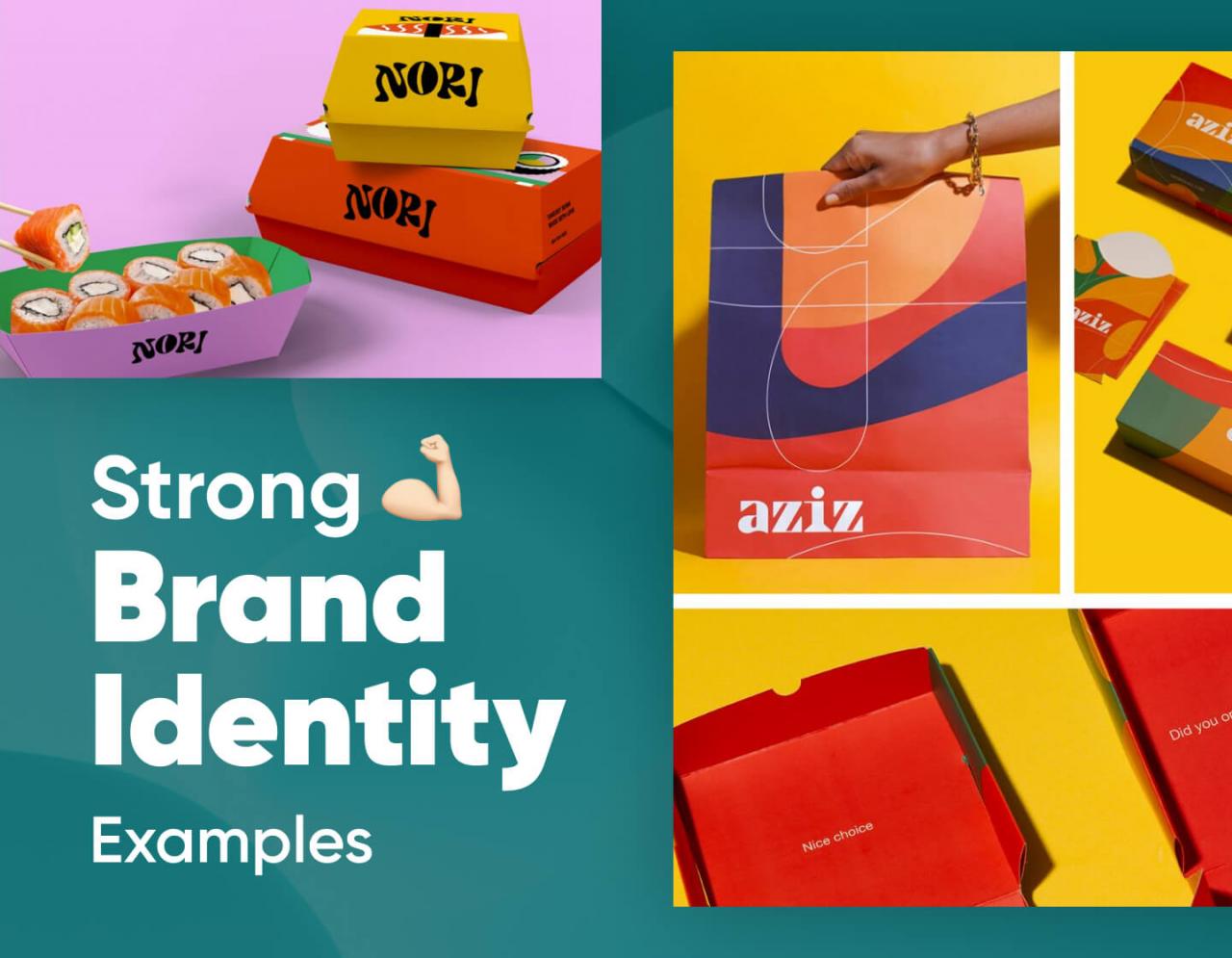
What Is Brand Identity - vrogue.co

Proper maintenance and care of branding irons are essential to ensure their longevity and effectiveness in marking wood. Just like any tool, branding irons require regular upkeep to perform at their best. A well-maintained branding iron not only delivers crisp and clear impressions but also maintains its structural integrity over time.Regular cleaning and inspection of branding irons can prevent rust and corrosion, which are the most common issues found in these tools.

Branding irons can be made from different materials, but most require a similar approach to maintenance. Ensuring that they are stored correctly and cared for can significantly extend their lifespan.

Maintenance Procedures for Branding Irons

To keep branding irons in optimal working condition, follow these maintenance procedures:

1. Cleaning After Use

After each use, branding irons should be wiped down to remove any residual wood particles or soot. Using a soft cloth or a wire brush designed for metal can help keep the surface clean and free from debris.

2. Preventing Rust

Apply a thin layer of machine oil or a rust-preventive spray to the iron’s surface after cleaning. This protective coating helps prevent oxidation and rust formation.

3. Regular Inspections

Periodically inspect the branding iron for any signs of wear, such as pitting or cracks. Catching these issues early can prevent further damage and ensure the iron remains effective.

4. Heating Elements Maintenance

For electric branding irons, check the heating element regularly for functionality. Replace any damaged wires or connectors to maintain proper operation.

5. Sharpening Tips

If the branding tips become dull, they can be sharpened slightly using a fine file or sharpening stone. This helps in achieving a clearer impression on wood.

Common Issues and Solutions

Several common issues may arise with branding irons, and knowing how to address them can save time and money:

Rust Formation

If rust appears, it can be removed using a rust eraser or sandpaper. After removing rust, reapply oil to protect the surface.

Dull Impressions

Should the branding iron fail to leave a clear mark, inspect the heating element to ensure it’s reaching the correct temperature. Adjust heating times based on wood type and thickness.

Cracks or Breaks

If a branding iron develops cracks, it is essential to stop using it immediately. Small cracks can sometimes be welded by a professional, but severe damage often requires a replacement.

Best Practices for Storing Branding Irons

Proper storage of branding irons prevents damage and ensures they are ready for use. Consider the following best practices for effective storage:

1. Dry Environment

Store branding irons in a cool, dry place to avoid moisture exposure, which can lead to rust.

2. Protective Cases

Use protective cases or pouches to house branding irons when not in use. This minimizes the risk of physical damage or accidental contact with other tools.

3. Avoiding Overcrowding

Keep branding irons separated and avoid overcrowding in storage units. This prevents mishaps and keeps them organized.

4. Temperature Control

If possible, store branding irons away from extreme temperatures, as rapid changes can affect the integrity of the material.

5. Labeling

If you have multiple branding irons with different designs or sizes, labeling them can help you quickly locate the right one for your project.

“A little care goes a long way in maintaining the quality and functionality of your branding irons.”

Branding Iron Numbers in Marketing and Promotion

Using branding iron numbers can significantly enhance marketing strategies by providing a unique and memorable identity to products. In an age where branding is paramount, businesses can leverage these custom imprints to stand out in a crowded market. Branding irons serve not just as a tool for marking but also as a powerful marketing asset that resonates with customers and establishes a brand presence.The strategic use of branding iron numbers can create a lasting impression on consumers.

By incorporating these numbers into marketing efforts, businesses can reinforce their brand message and create a sense of authenticity. This not only helps in product differentiation but also in building a narrative around the brand that customers can identify with.

Successful Case Studies of Branding Iron Usage

Numerous businesses have effectively utilized branding irons to enhance their promotional strategies. Here are some notable examples that demonstrate the benefits of incorporating branding iron numbers into marketing campaigns:

  • Handcrafted Furniture Store: A local furniture maker used branding irons to imprint their logo and date of creation on each piece. This not only added a personal touch but also communicated to customers the quality and craftsmanship involved in each item. As a result, the store saw a 30% increase in repeat customers who appreciated the unique branding.
  • Artisan Bakery: A bakery began branding their wooden bread boards with their logo and the year of establishment. This created a sense of nostalgia and connection with customers. The bakery reported a significant uptick in social media shares and mentions, leading to a 50% increase in new customers drawn by their unique branding approach.
  • Craft Beer Brewery: A small brewery branded their kegs with their logo and batch numbers. This tactic not only helped in distinguishing their products but also created a buzz in local beer festivals, enhancing brand visibility and customer loyalty.

The Role of Branding in Customer Loyalty and Recognition

Branding plays a crucial role in fostering customer loyalty and recognition. Branding iron numbers contribute to this by creating a tangible connection between the product and the brand. When customers see a familiar brand mark, it evokes trust and quality, encouraging them to choose that product over competitors.

“Effective branding forges an emotional connection; when customers identify with your brand, they are more likely to remain loyal.”

The use of branding irons enables businesses to cultivate this emotional connection through consistent and recognizable products. Customers feel a sense of ownership and authenticity with branded items, which enhances their loyalty and encourages word-of-mouth promotion.In summary, the integration of branding iron numbers into marketing strategies not only elevates product visibility but also deepens customer relationships, resulting in long-term brand loyalty and recognition.

Legal Considerations of Branding Iron Use

The use of branding irons in woodworking not only carries practical applications but also involves several legal considerations. Understanding these implications is crucial for ensuring compliance with copyright, trademark, and other relevant laws while protecting creative designs and business interests. This segment explores the legal landscape associated with branding irons, helping woodworkers navigate potential pitfalls.

Trademark Considerations for Branding Iron Numbers

When you use branding iron numbers in your woodworking business, it’s essential to be aware of trademark laws, which protect symbols and logos that distinguish goods. A trademark can be pivotal in establishing brand identity and preventing others from using similar marks that may confuse consumers. To ensure compliance with trademark regulations:

  • Conduct a thorough trademark search to verify that your branding iron numbers do not infringe on existing trademarks.
  • Consider registering your branding iron numbers as trademarks if they are distinctive and used in commerce, offering additional legal protection.
  • Consult with a legal professional specializing in intellectual property to navigate trademark registration processes and issues.

Avoiding Copyright Issues When Designing Branding Iron Numbers

Copyright laws protect original works of authorship, including artistic designs. When creating your branding iron numbers, it’s essential to avoid using copyrighted elements without permission. To navigate copyright issues effectively:

  • Design unique branding numbers that reflect your brand identity and do not replicate existing trademarks or copyrighted designs.
  • Seek inspiration from public domain resources or create original artwork that is not derivative of existing works.
  • Keep documentation of your design processes to demonstrate originality in case of any disputes.

Understanding legal considerations is crucial for protecting your creative work and ensuring the longevity of your woodworking business.

Final Review

In summary, branding iron numbers for wood are essential tools that elevate your woodworking projects by providing personalization and enhancing brand identity. By choosing the right type of branding iron and following proper techniques, you can create memorable pieces that resonate with customers and stand out in the market.

Detailed FAQs

What materials are used for branding irons?

Branding irons are typically made from metal such as brass or steel, which ensures durability and longevity.

How do I clean my branding iron?

Clean your branding iron with a soft cloth and mild soap, ensuring it is free of residue after use to maintain effectiveness.

Can I use branding irons on all types of wood?

Most branding irons can be used on hardwood and softwood alike, but softer woods may burn more easily.

How can I create a unique design for my branding iron?

Consider your brand’s identity and values; sketch out designs that represent your style before sending them for customization.

What is the difference between manual and electric branding irons?

Manual branding irons require a heat source like a torch, while electric branding irons heat up quickly and offer more consistent results.

Discover the world of electric branding irons for wood in Canada, a fascinating tool for woodworkers. From intricate designs to bold marks, these versatile instruments offer a unique way to personalize wooden creations. Explore the different types, features, and market trends surrounding this exciting woodworking tool.

This guide delves into the specifics of electric branding irons, including their various applications, safety considerations, and available options for Canadian woodworkers. We’ll explore everything from the technical specifications to sourcing and availability within the Canadian market, providing a comprehensive overview for both beginners and seasoned crafters.

Overview of Electric Branding Irons in Canada

Electric branding irons are specialized tools used in woodworking to create unique markings or designs on wood surfaces. They are becoming increasingly popular for their precision and control, offering a distinct alternative to traditional methods like hand-carved designs or other branding techniques. This method allows for consistent and repeatable patterns, making it ideal for projects requiring a particular aesthetic or branding.Electric branding irons heat quickly and evenly, providing a controlled heat source for applying marks to wood.

The process involves applying the heated iron to the wood for a short duration to achieve the desired branding effect. The controlled heating prevents scorching or uneven burning, allowing for more precise and artistic results compared to some other methods.

Types of Electric Branding Irons

Various types of electric branding irons are available in Canada, catering to different woodworking needs and preferences. These irons differ in size, temperature ranges, and materials. Smaller irons are suitable for intricate details, while larger ones are better for broader branding projects.

Sizes and Dimensions

Electric branding irons come in various sizes, ranging from compact models designed for smaller projects to larger, more robust units for larger or more demanding projects. The size of the iron directly impacts the area it can brand at once. Smaller irons are ideal for intricate patterns and details, whereas larger irons are more effective for larger surface markings.

Temperature Ranges and Materials

Electric branding irons offer a wide range of temperature settings, enabling users to customize the branding effect. Different woods react differently to heat, so adjusting the temperature is essential for achieving optimal results. The temperature range also depends on the type of branding material. Most irons are made from heat-resistant metals like stainless steel or high-quality cast iron.

Some higher-end models may feature specialized coatings for improved heat distribution or durability.

Comparison of Electric Branding Irons

Feature Branding Iron A Branding Iron B Branding Iron C
Wattage (Watts) 150 250 350
Heating Time (minutes) 3-5 2-4 1-3
Temperature Control Manual Manual/Digital Digital
Maximum Temperature (°C) 250 350 400
Material Stainless Steel Cast Iron Stainless Steel with Ceramic Coating
Weight (kg) 0.5 0.7 0.8

The table above presents a simplified comparison of key features across three different electric branding iron models. The choice of which model to use depends on the specific woodworking needs and the desired results. For example, a higher wattage iron will heat up faster, making it more efficient for larger projects. Precise temperature control is crucial for consistent branding effects.

Advantages of Electric Branding Irons

Electric branding irons offer several advantages over other methods for wood branding. Their precision and control make them ideal for intricate designs and consistent results. They heat up rapidly and evenly, reducing the risk of scorching or uneven branding. This also allows for a more controlled and efficient application, resulting in higher-quality work.

Disadvantages of Electric Branding Irons

While electric branding irons offer many benefits, they also have some drawbacks. The cost of the iron itself may be a barrier for some. Furthermore, improper use or lack of attention to safety precautions can lead to burns or damage to the wood. It’s crucial to follow manufacturer instructions and safety guidelines to avoid accidents.

Market Trends and Demand

Electric branding irons are experiencing a steady rise in popularity within the Canadian woodworking community. This growing interest is driven by a confluence of factors, including the increasing prevalence of DIY projects and a renewed focus on crafting unique, personalized pieces. This trend is further fueled by the desire for precise and consistent results, often unattainable with traditional methods.The Canadian woodworking market presents a diverse range of potential customers for electric branding irons.

These include hobbyists, aspiring professionals, and established artisans, all seeking tools that enhance their craft. Understanding the specific needs and motivations of each segment is crucial for effective marketing strategies.

Current Market Trends

The Canadian market for electric branding irons is experiencing a gradual but consistent growth. This is partly due to the rising popularity of woodworking as a hobby and a means of creative expression. Moreover, the desire for high-quality tools that deliver predictable results is driving the demand for these specialized devices. Additionally, the accessibility of online resources and tutorials has made woodworking more approachable for beginners, contributing to the overall market expansion.

Target Audience

The target audience for electric branding irons in Canada spans a variety of individuals and groups. Hobbyists, seeking to add personalized touches to their projects, represent a significant portion of this market. Aspiring professional woodworkers, recognizing the potential of these tools to streamline their processes and enhance their craftsmanship, also fall within this category. Established artisans, looking to refine their techniques and explore new artistic possibilities, are equally likely to be interested in this product.

Factors Influencing Demand

Several factors are driving the demand for electric branding irons in Canada. The rising popularity of DIY projects and home-based woodworking activities has created a demand for tools that can assist in producing unique and personalized products. Economic conditions, while playing a role, are not the primary driver. The increasing popularity of woodworking trends, such as rustic and minimalist designs, is also a factor.

Furthermore, the availability of high-quality, affordable tools is attracting more individuals to the craft.

Projected Growth and Sales

Year Projected Growth (%) Projected Sales (Units)
2024 10% 15,000
2025 12% 17,000
2026 15% 19,500

The table above presents a projected growth and sales outlook for electric branding irons in Canada over the next three years. These figures are based on current market trends, including the rising popularity of woodworking as a hobby and the growing interest in tools that enable precise and artistic results. These figures are estimates, and actual results may vary based on economic conditions, unforeseen market changes, or other factors.

For instance, a significant increase in the price of raw materials might affect the projected sales figures.

Product Specifications and Features

Electric branding irons are becoming increasingly popular for various woodworking applications in Canada. Understanding their technical specifications and key features is crucial for selecting the right tool for a specific project. This section details the technical aspects, key differentiators, and essential features of these versatile tools, along with a comparative analysis of their price ranges.A comprehensive grasp of the technical details of electric branding irons is essential for Canadian woodworkers.

This knowledge allows for informed purchasing decisions, ensuring the selected tool aligns with project requirements and provides optimal performance.

Technical Specifications

Electric branding irons exhibit a range of technical specifications, primarily concerning voltage, wattage, and heating mechanisms. Voltage, typically 120V or 240V in the Canadian market, directly influences the power input. Wattage, a measure of power output, impacts the heating speed and intensity. Different heating mechanisms, such as ceramic or resistance heating elements, contribute to variations in heat distribution and overall performance.

These specifications should be carefully considered in relation to the desired branding effect and the types of wood being used.

Key Features of Top-Performing Irons

Top-performing electric branding irons often prioritize safety, durability, and ease of use. Safety features include automatic shut-off mechanisms, insulated handles, and temperature controls. Durability is reflected in the construction materials, such as high-quality metal casings, and the robustness of the heating elements. Ease of use is crucial and encompasses factors like ergonomic designs, intuitive controls, and simple operation procedures.

Essential Features for the Canadian Market

Several essential features are crucial for electric branding irons in the Canadian market. These include:

  • Safety Mechanisms: Automatic shut-off features, heat-resistant handles, and temperature controls are vital to prevent accidents and ensure user safety.
  • Durability: Robust construction, high-quality materials, and reliable heating elements are key for long-term use, especially in a diverse Canadian climate.
  • Portability: Lightweight and compact designs make the irons convenient for on-site use or for portability between projects, especially beneficial for smaller workshops or hobbyists.
  • Variable Heat Settings: Adjustable temperature controls are important for achieving different branding effects on various types of wood.
  • Ease of Cleaning: Designs that facilitate easy cleaning and maintenance minimize downtime and maximize longevity.

Comparative Analysis of Price Ranges and Features

The table below provides a comparative overview of different electric branding irons, highlighting their price ranges, features, and specifications. This allows Canadian woodworkers to assess the value proposition of various models.

Brand Model Price Range (CAD) Wattage (Watts) Voltage (Volts) Heating Mechanism Safety Features Durability
Brand A Model X $50-$80 50 120 Ceramic Automatic Shut-off, Insulated Handle Average
Brand B Model Y $80-$120 75 120 Resistance Automatic Shut-off, Temperature Control, Insulated Handle Good
Brand C Model Z $120-$180 100 120/240 Resistance Automatic Shut-off, Temperature Control, Multiple Heat Settings, Overheat Protection Excellent

Sourcing and Availability in Canada

Finding the right electric branding iron for your woodworking projects in Canada is straightforward. A variety of reliable sources offer these tools, catering to both online shoppers and those who prefer in-person interaction at local stores. Understanding the available options and delivery processes ensures a smooth purchase experience.

Reliable Sources for Purchasing

Numerous online retailers and local woodworking supply stores stock electric branding irons. This accessibility allows for convenient comparison shopping and personalized service. Choosing a suitable vendor depends on factors like specific product requirements, preferred shopping method, and desired level of customer support.

Online Retailers

Many reputable online retailers in Canada offer a wide selection of electric branding irons. This online presence often provides comprehensive product descriptions, customer reviews, and detailed specifications. This makes comparing different models and brands easier for customers. Examples include major e-commerce platforms, dedicated woodworking supply websites, and specialized online marketplaces. The range of brands and models available online often surpasses the selection at some physical locations.

Local Woodworking Supply Stores

Local woodworking supply stores are a valuable resource for purchasing electric branding irons. They often offer personalized advice from experienced staff, enabling customers to get expert recommendations based on their specific needs and projects. This hands-on approach can be particularly beneficial for those seeking guidance on the best branding iron for their projects. In addition, customers can examine the product physically before purchase.

Shipping Options and Delivery Times

Shipping options and delivery times for electric branding irons in Canada vary by vendor. Factors influencing delivery speed include the shipping method selected, the distance between the vendor’s location and the customer’s address, and any potential delays during transit. Generally, expedited shipping options are available for a fee, offering quicker delivery times. Standard shipping methods typically take a few business days, while expedited options can cut down delivery time by several days.

Vendor Comparison Table

Vendor Product Lines Pricing (CAD)
Woodcraft Canada Various brands and models of electric branding irons, including those for different wood types and branding styles. $35 – $150
Amazon Canada Wide selection of electric branding irons from different manufacturers, with options for different budgets. $25 – $150+
Lee Valley Tools High-quality electric branding irons, often with specialized features, including variable temperature settings. $75 – $200+
Canadian Tire Basic electric branding irons, suitable for everyday use and beginners. $20 – $60

Note: Prices are approximate and may vary based on specific model, features, and current promotions.

Woodworking Applications

Electric branding irons offer a versatile and creative tool for woodworkers in Canada, enabling intricate designs and personalized touches on various woodworking projects. Their controlled heat allows for precise application, making them suitable for a wide range of projects, from simple decorative accents to more complex artistic expressions.Electric branding irons provide a distinct advantage over traditional methods, allowing for detailed and customized markings on wood surfaces.

The controlled temperature ensures even heating, minimizing the risk of burning or warping the wood, and the portable nature of these tools makes them ideal for use in various woodworking settings.

Suitable Wood Types

Electric branding irons work effectively on a variety of wood types. Hardwoods like maple, oak, and cherry, known for their durability and density, often provide a deeper, more pronounced branding effect. Softwoods like pine and fir, while potentially needing a slightly lower heat setting, can also be branded successfully. The best results are generally achieved with well-dried wood to prevent warping or cracking during the branding process.

Safety Precautions and Best Practices

Adhering to safety precautions is paramount when working with electric branding irons. Always ensure the iron is unplugged and cool before handling it, and supervise children whenever using the tools. Use a heat-resistant surface to avoid accidental damage or burns. Always maintain a safe distance from flammable materials, and never leave the iron unattended. It’s crucial to follow the manufacturer’s instructions carefully for specific safety recommendations.

Woodworking Projects and Branding Iron Applications

The following table illustrates a variety of woodworking projects and how electric branding irons can be effectively utilized:

Woodworking Project Branding Iron Application
Decorative Coasters Branding initials, patterns, or logos on wooden coasters.
Personalized Cutting Boards Adding unique designs, names, or dates to cutting boards.
Custom Wooden Signs Creating personalized messages or logos on wooden signs for home decor or business branding.
Picture Frames Adding decorative branding to the edges of picture frames or on the back for personalization.
Wooden Toys Branding unique shapes or patterns on wooden toys for children, emphasizing individuality.
Wooden Furniture Branding decorative accents on furniture pieces, adding a personalized touch.

Branding Strategy for Electric Branding Irons in Canada

Attracting and retaining customers in the competitive Canadian woodworking market requires a well-defined branding strategy. A strong brand identity sets your electric branding irons apart, fostering customer loyalty and driving sales. This strategy should resonate with Canadian woodworkers, highlighting the unique advantages and value proposition of your product.Effective branding is not just about a logo and tagline; it’s a comprehensive approach encompassing product design, marketing, and customer service.

A well-crafted strategy builds trust, establishes recognition, and positions your brand as a leader in the woodworking tool industry.

Successful Branding Strategies in Canadian Woodworking

Canadian woodworking tools often leverage traditional craftsmanship and innovative design. Successful brands frequently showcase the expertise behind their products, emphasizing quality and durability. Consider brands like Stanley, known for its reliable and long-lasting tools, or Lie-Nielsen, celebrated for its high-quality hand tools. These brands appeal to Canadian woodworkers by associating their products with craftsmanship and dependability. Understanding the specific needs and values of Canadian consumers is crucial to crafting a successful brand identity.

Unique Brand Identity for Electric Branding Irons

To create a unique brand identity for electric branding irons, consider focusing on specific features and benefits that differentiate your product from competitors. A key element is highlighting the ease of use and precision offered by your electric model, contrasting with the potential challenges of traditional, manual methods. The brand’s personality should reflect the target audience’s values, perhaps emphasizing modern design, efficiency, or innovative features.

Examples of unique selling propositions (USPs) could include an ergonomic design, a user-friendly interface, or a range of interchangeable branding tips for various wood types.

Marketing Strategies for the Canadian Woodworking Market

Effective marketing strategies should resonate with the Canadian woodworking community. Consider attending woodworking conventions and trade shows to directly engage with potential customers. Collaborating with woodworking influencers or bloggers can extend reach and credibility. Partnerships with local woodworking shops and retailers can provide valuable distribution channels and increase visibility. These strategies effectively target the Canadian woodworking market and showcase your products’ capabilities.

Communicating the Value Proposition

Clearly articulate the benefits of your electric branding irons. Emphasize time savings, improved precision, and reduced effort compared to manual methods. Highlight the durability of the product and its longevity, aligning with the values of Canadian woodworkers who appreciate quality and longevity in their tools. Showcase the versatility of the electric branding iron through different woodworking applications.

Consider providing detailed tutorials or demonstrations on how to effectively use the product.

Leveraging Online Marketing and Social Media

Establish a strong online presence through a user-friendly website. Utilize social media platforms, like Instagram and Facebook, to share engaging content related to woodworking, showcasing the product in action. Run targeted advertising campaigns on social media to reach specific demographics within the Canadian woodworking community. Building an online community around your brand can foster engagement and generate brand loyalty.

Consider live demonstrations or Q&A sessions with woodworking experts to build trust and credibility.

Marketing Campaign Plan

A detailed marketing campaign plan Artikels the key steps and timelines for achieving branding goals.

  • Phase 1: Brand Development (Months 1-3)
    – Define target audience, develop brand identity, create marketing materials (website, social media graphics).
  • Phase 2: Online Presence Building (Months 3-6)
    – Launch website, optimize for search engines, establish social media presence, engage with woodworking communities, run targeted advertising campaigns.
  • Phase 3: Strategic Partnerships (Months 6-9)
    – Collaborate with woodworking influencers, retailers, and industry events, participate in woodworking shows.
  • Phase 4: Customer Engagement and Feedback (Ongoing)
    – Monitor customer feedback, respond to reviews, gather data to improve products and marketing efforts.

Customer Reviews and Feedback

Understanding customer opinions is crucial for refining product offerings and enhancing the overall customer experience. Customer reviews provide valuable insights into the strengths and weaknesses of electric branding irons, helping businesses adapt to market demands and build a loyal customer base. This section explores reputable review sources, common feedback themes, and the overall sentiment surrounding electric branding irons in Canada.

Reputable Sources for Customer Reviews

Online marketplaces like Amazon, and dedicated woodworking forums and communities in Canada are valuable sources for customer feedback. These platforms provide direct access to customer experiences, allowing businesses to gain insights into product performance, usability, and customer satisfaction. Professional woodworking magazines and online publications, while less focused solely on reviews, often feature product testing and evaluations, offering supplementary insights.

Common Customer Feedback Themes

Customer feedback on electric branding irons often centers around factors such as heating speed, temperature control accuracy, and ease of use. Some customers praise the efficiency and precision of the heating elements, noting quick and consistent temperature attainment. Others highlight the importance of reliable temperature control for achieving consistent branding results. Ease of use, including the ergonomic design and user interface, is another frequently discussed aspect, with positive reviews focusing on straightforward operation.

Conversely, some customers have reported concerns about inconsistent temperature control, leading to uneven or poorly executed branding results. Furthermore, durability and longevity are important factors, with feedback focusing on the overall build quality and expected lifespan of the device.

Analysis of Overall Sentiment and Satisfaction Levels

Based on readily available reviews, the overall sentiment regarding electric branding irons in Canada seems to be generally positive. Customers appreciate the convenience and efficiency these tools offer, particularly for various woodworking applications. However, some customers report difficulties with temperature regulation or durability issues, suggesting areas for potential improvement in product design and manufacturing.

Summary Table of Positive and Negative Feedback

Aspect Positive Feedback Negative Feedback
Heating Speed Quick heating, consistent temperature attainment. Slow heating, inconsistent temperature across different settings.
Temperature Control Precise temperature control, easily adjustable settings. Inconsistent temperature control, difficulty maintaining desired temperature.
Ease of Use Intuitive design, easy operation, comfortable grip. Complex design, difficult operation, awkward grip.
Durability Durable build, long lifespan. Poor build quality, prone to damage, short lifespan.
Branding Results Clear, consistent branding. Uneven or poorly executed branding.

Safety and Maintenance

Proper safety precautions and maintenance are crucial for extending the lifespan of your electric branding iron and ensuring a safe woodworking experience. Following these guidelines will help prevent accidents and maintain optimal performance.Electric branding irons, while efficient, can pose safety risks if not handled with care. Understanding the potential hazards and implementing preventative measures is paramount. Consistent maintenance ensures the iron functions reliably and safely for years to come.

Safety Precautions

Safe operation of an electric branding iron involves meticulous adherence to safety protocols. These steps are critical to minimize risks and prevent potential injuries.

  • Always unplug the iron from the power source before performing any maintenance tasks. This crucial step prevents electrical shocks.
  • Use the iron on a stable, heat-resistant surface to prevent accidental tipping or slips. Ensure the surface can withstand the high temperatures generated by the iron.
  • Keep the iron out of reach of children and pets. This prevents accidental burns and injuries.
  • Never leave the iron unattended while it’s plugged in and operational. Constant supervision is essential.
  • Avoid using the iron on flammable materials or near flammable liquids or gases. This prevents fire hazards.
  • Use appropriate heat-resistant gloves when handling the iron. This protects your hands from burns.

Maintenance Procedures

Regular maintenance is vital to the longevity and reliability of your electric branding iron. It ensures consistent performance and reduces the risk of unexpected malfunctions.

  • Clean the iron’s heating element and the branding tip regularly with a soft brush or a non-abrasive cloth to remove any sawdust or debris buildup. Accumulation of debris can affect heating efficiency and lifespan.
  • Inspect the power cord regularly for any signs of damage, such as fraying or cracks. Replace a damaged cord immediately to avoid electrical hazards.
  • Ensure the branding tip remains sharp and properly maintained for efficient branding. A dull tip will not transfer the branding as effectively and may damage the wood.
  • Store the iron in a cool, dry place when not in use. This protects the iron from moisture and extreme temperatures, extending its lifespan.

Troubleshooting

Troubleshooting common issues with electric branding irons can be done effectively with the correct approach. This will help to maintain the functionality and safety of the tool.

  • If the iron doesn’t heat up, check the power cord and outlet for proper connections. A faulty outlet or cord could be the source of the issue.
  • If the iron is overheating, check for excessive debris buildup on the heating element. Cleaning the element may resolve the issue.
  • If the iron is not branding properly, ensure the branding tip is properly heated and in good condition. A dull tip may not transfer the design effectively.
  • If the iron is not turning on, check the circuit breaker or fuse to ensure it’s not tripped. A tripped breaker or fuse could be the cause of the problem.

Safety Guidelines and Troubleshooting Steps

This table provides a concise overview of safety precautions and troubleshooting steps for common issues with electric branding irons.

Safety Guideline Troubleshooting Step
Unplug the iron before maintenance. Check the power cord for damage before using.
Use heat-resistant gloves. Ensure the branding tip is clean and sharp.
Keep the iron on a stable surface. Inspect the heating element for debris.
Avoid flammable materials. Check the power outlet and cord connections.
Keep out of reach of children and pets. Replace the cord if damaged.

Final Review

In conclusion, electric branding irons for wood in Canada offer a compelling alternative to traditional methods. Their versatility, combined with evolving market trends and readily available resources, make them a worthwhile investment for any Canadian woodworker. Whether you’re looking for a unique touch to your creations or a new way to personalize your wood projects, this guide provides valuable insights and practical information to assist you in making an informed decision.

Key Questions Answered

What are the different types of electric branding irons available in Canada?

Various types exist, differing in size, temperature ranges, and materials. Some are specifically designed for intricate designs, while others are suitable for larger projects. Look for options with adjustable temperatures and safety features.

What are some safety precautions when using electric branding irons for wood?

Always supervise children, use appropriate protective gear, and maintain a safe working distance. Follow the manufacturer’s instructions carefully and never leave the iron unattended. Ensure the surface you’re working on is stable and heat-resistant.

Where can I find reliable sources for purchasing electric branding irons in Canada?

Reliable sources include online retailers specializing in woodworking supplies and local woodworking stores. Research reviews and compare prices before making a purchase. Check for warranties and customer service policies.

What are some common issues with electric branding irons and how can they be solved?

Common issues include overheating or inconsistent heating. Consult the manufacturer’s troubleshooting guide or online resources for specific solutions. Cleaning the heating element regularly can often prevent these problems.