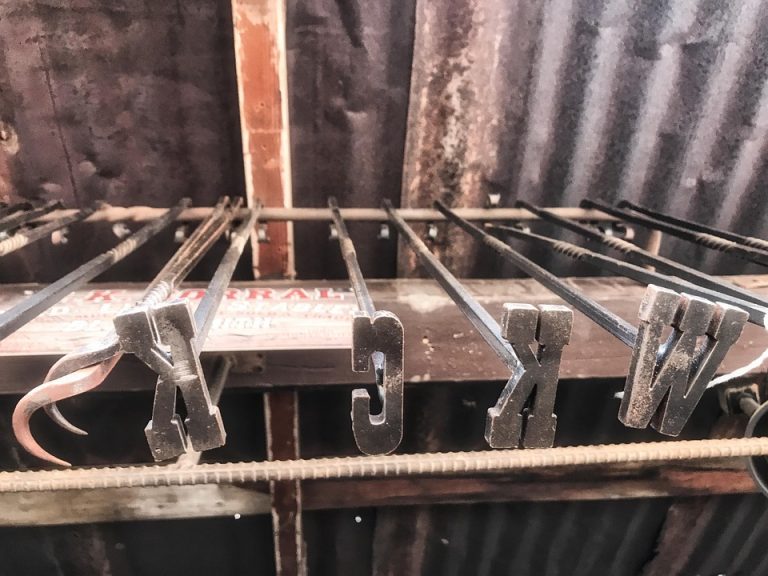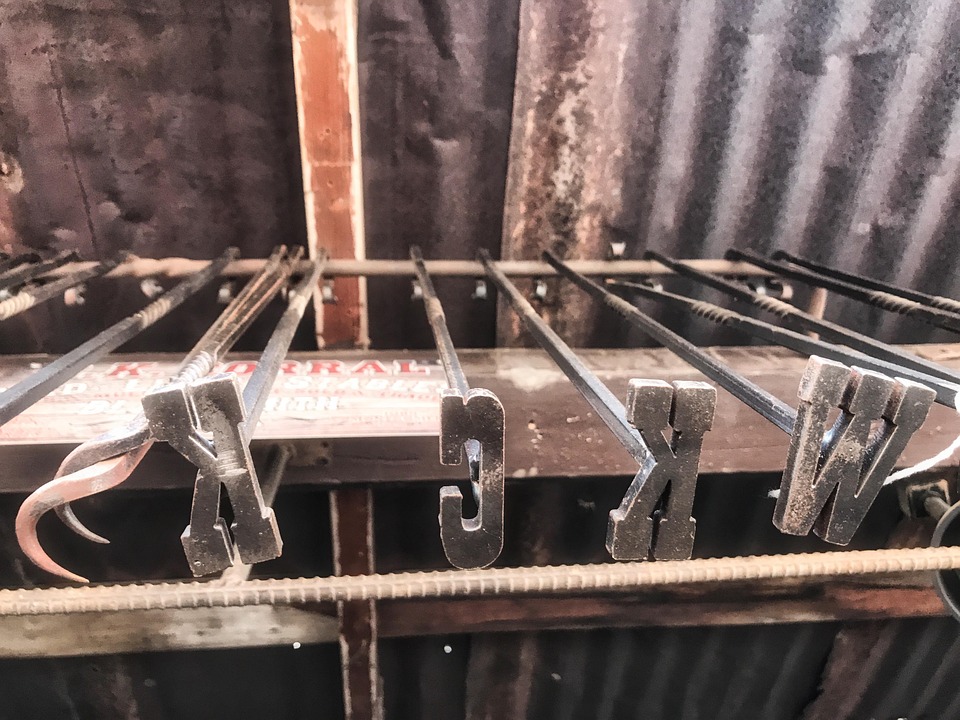
Kicking off with branding iron numbers for wood, these tools are not just for decoration; they play a crucial role in the woodworking industry. Branding iron numbers provide a unique identity to each piece, adding a personal touch while enhancing product recognition.
Whether you’re a seasoned woodworker or just starting, understanding the importance of branding can significantly impact your brand’s visibility and customer loyalty. From the types of branding irons available to creating custom designs, this guide walks you through everything you need to know to make an impression with your wooden creations.
Importance of Branding Iron Numbers for Wood
Branding has become an integral part of woodcraft, offering artisans a way to establish their identity and convey the quality of their products. Branding iron numbers, in particular, serve as a vital tool for marking wood items, providing not just aesthetic value but also practical benefits that enhance craftsmanship.The significance of branding in woodcraft extends beyond mere identification. Branding iron numbers provide a unique signature that distinguishes a craftsman’s work from others.
This form of branding plays a crucial role in enhancing product identification. By incorporating specific numbers or designs, artisans can create a recognizable brand that conveys quality and authenticity.
Enhancement of Product Identification
Using branding iron numbers allows woodworkers to forge a connection with their customers through consistency and recognition. When products are tagged with a unique branding number, they gain an identity that can be easily associated with the craftsman or brand. This identification is crucial in a competitive market, where consumers are often overwhelmed by choices. The following points highlight the benefits of branding iron numbers for wood:
- Establishes Brand Recognition: A distinct number or logo helps in building a brand image, making it easier for customers to recognize and trust the craftsman’s work.
- Enhances Resale Value: Items with a clear brand identity often fetch higher prices due to perceived quality and authenticity, appealing to collectors and enthusiasts.
- Facilitates Product Tracking: In situations where warranties or service history are involved, branding numbers enable easy tracking of products, enhancing customer support and service.
- Promotes Craftsmanship: By marking their creations, artisans showcase their pride in craftsmanship, which can resonate with discerning customers who appreciate quality workmanship.
Personalization in Woodworking
Branding iron numbers also offer unique opportunities for personalization, allowing woodworkers to create customized pieces that resonate with customers. Personalization goes beyond mere aesthetics; it embraces the emotional connection that consumers have with their products. Craftsmen can use branding irons to add personal touches, such as names, dates, or unique symbols, making each piece one-of-a-kind. The emotional value added through personalization can significantly enhance customer loyalty and satisfaction.
Consider the following advantages of using branding irons for personalization:
- Strengthens Customer Relationships: Personalized products foster a deeper connection between the artisan and the customer, increasing loyalty and repeat business.
- Encourages Unique Sales Opportunities: Customized items allow woodworkers to tap into niche markets, catering to specific customer needs or special occasions.
- Increases Customer Engagement: Engaging customers in the personalization process fosters a sense of ownership and pride, leading to positive word-of-mouth marketing.
- Enhances Gift Appeal: Items branded with personal touches become popular as gifts, especially for special occasions such as weddings, anniversaries, or celebrations.
Types of Branding Irons for Wood
Branding irons are essential tools for woodworkers, craftsmen, and businesses that want to leave their mark on their products. Understanding the different types of branding irons available is crucial to ensuring that the right tool is chosen for the job. Each type of branding iron offers unique benefits and techniques suited for various wood types and applications, making it important to explore the options available.
Comparison of Manual and Electric Branding Irons
When it comes to branding irons for wood, the two primary types are manual and electric branding irons. Both serve the same purpose of imprinting a design or logo onto the wood, but they differ significantly in operation and efficiency.
Manual Branding Irons
These are traditional tools that require heating either over an open flame or through a heated element. Users typically need to hold the iron over the heat source until the desired temperature is reached, which can take time and skill to maintain the right temperature for effective branding.
Electric Branding Irons
These irons plug into an electrical outlet, providing a consistent and controlled heat source. They heat up quickly and can reach optimal branding temperatures in just a few minutes, making them an efficient choice for larger projects or businesses requiring quick turnaround times.The choice between manual and electric branding irons often depends on the specific needs of the user, including factors such as production volume, branding detail, and the type of wood being used.
Specific Branding Iron Designs for Various Wood Types
Different wood types can have varying textures and densities, which can affect the branding process. Certain designs of branding irons are better suited for specific wood types, enhancing the quality of the imprint. Here are some examples:
Softwoods (Pine, Cedar)
These woods are generally easier to brand due to their softer texture. A simple logo or text branding iron works well, as it requires less heat and pressure to leave a clear mark. Look for designs that feature shallow engraving to avoid scorching the wood.
Hardwoods (Oak, Maple)
Hardwoods require more robust branding designs to penetrate the dense fibers effectively. Irons with deeper engravings or more intricate designs are suited for these types of wood, ensuring the branding is both visible and durable.
Exotic Woods (Teak, Mahogany)
These woods often have unique grains and colors that can affect branding. Custom branding irons that feature intricate designs or personalized logos can enhance the visual appeal of the final product while complementing the wood’s natural beauty.
Plywood
For plywood, which may consist of multiple layers, a branding iron with a broader surface area may be beneficial. This helps distribute heat evenly and prevents damage to the layers beneath the surface.Using the appropriate branding iron for each type of wood can significantly enhance the quality and longevity of the branding, ensuring a professional finish that meets the expectations of both the craftsman and the customer.
Creating Customized Branding Iron Numbers
Creating customized branding iron numbers is an essential step in establishing a unique identity for your wooden products. These numbers not only represent your brand but also add a personal touch that can differentiate your items in a competitive market. A well-designed branding iron number can convey the essence of your brand and ensure that your creations are easily identifiable.The design process for custom branding iron numbers involves several critical steps.
Initially, it is crucial to conceptualize the design that embodies your brand identity. This can include selecting fonts, sizes, and styles that resonate with your target audience. The design phase typically involves the use of specialized software to create a digital mockup, allowing for adjustments and iterations until the perfect representation is achieved.
Materials Used for Branding Irons
The choice of materials for creating branding irons significantly impacts their durability and effectiveness. Common materials used in the manufacturing of branding irons include brass, steel, and aluminum. Each material has distinct characteristics:
Brass
Known for its corrosion resistance and ease of machining, brass is often used for high-quality branding irons. Its durability makes it suitable for frequent use over time.
Steel
Steel branding irons are robust and offer excellent heat retention, ensuring clear impressions on wood. However, they may require a protective coating to prevent rust.
Aluminum
Lightweight and cost-effective, aluminum branding irons can be a good choice for one-time or lower-volume applications. However, they may not withstand the same level of wear as brass or steel.Selecting the right material is critical, as it determines how well the branding iron will hold up under repeated heating and application.To create a unique branding iron number that reflects brand identity, follow these organized steps:
1. Define Your Brand Identity
Understand the core values and mission of your brand. This will guide your design choices, ensuring that the branding iron number resonates with your overall brand image.
2. Choose the Right Design Elements
Select fonts, icons, or symbols that represent your brand. Consider using a design that is simple yet memorable, allowing for easy readability when stamped on wood.
3. Sketch Your Ideas
Begin with hand-drawn sketches of your branding iron number. This can help visualize how different design elements come together.
4. Digitize the Design
Utilize graphic design software to create a digital version. This allows for easier manipulation and refinement of the design.
5. Prototype the Branding Iron
Before finalizing, create a prototype to test the design. This allows you to assess the clarity and quality of the impression it makes on wood.
6. Make Adjustments
Based on feedback from the prototype, make necessary adjustments to ensure the branding iron number is perfect and accurately reflects your brand.
“A well-crafted branding iron not only marks your product but also tells the story of your craft.”
Techniques for Using Branding Irons on Wood
Branding irons are an essential tool for marking wood with a distinct identity. Using them effectively requires understanding the right techniques to ensure a clear, lasting impression. This section delves into the methods for applying branding irons to wood surfaces, offering tips for achieving consistent results and preparing the wood properly before branding.
Proper Techniques for Applying Branding Irons on Wood Surfaces
To achieve a professional finish when branding wood, it’s crucial to follow specific techniques. The process involves several steps that help ensure the branding iron makes a well-defined mark on the wood.
- Heat the branding iron adequately: Ensure the branding iron is heated to the right temperature, typically between 800°F to 1000°F. A good indicator is when the iron starts to emit a light smoke or when a drop of water sizzles on the heated surface.
- Position the branding iron correctly: Place the branding iron firmly against the wood surface, using even pressure. Avoid sliding or shifting the iron to prevent smudging the design.
- Timing is key: Keep the branding iron on the wood for the right amount of time, typically 5 to 10 seconds, depending on the wood type and thickness. Experiment with a test piece to find the optimal timing.
Tips for Ensuring Consistent Branding Results Across Different Pieces
Achieving uniformity in branding across various wood pieces can be challenging but is attainable with the right approach. Consistency is vital for branding projects, especially in commercial settings.
- Use a jig or template: Creating a jig can help position the branding iron consistently on every piece. This is especially useful for repetitive branding tasks.
- Maintain the same wood type: If possible, use the same type of wood for all pieces. Different wood species react differently to heat and branding, affecting the final outcome.
- Test on scrap pieces: Before branding the final pieces, practice on scrap wood to gauge the temperature and timing. This allows you to make adjustments as needed.
Preparing Wood Surfaces Before Branding
Proper preparation of the wood surface is essential for successful branding. Well-prepped wood ensures that the branding iron makes a precise mark and enhances the overall appearance of the finished product.
- Sanding: Smooth the wood surface with sandpaper (preferably 120 to 220 grit) to remove any roughness or imperfections. This creates a clean area for branding.
- Cleaning: After sanding, wipe down the wood with a damp cloth to remove dust and debris. A clean surface allows for better adhesion of the branding mark.
- Conditioning: For softer woods, consider applying a wood conditioner before branding. This can help prevent the wood from burning and ensure a cleaner, clearer brand.
“A well-prepared surface is the first step to successful branding on wood.”
Maintenance and Care of Branding Irons
Proper maintenance and care of branding irons are essential to ensure their longevity and effectiveness in marking wood. Just like any tool, branding irons require regular upkeep to perform at their best. A well-maintained branding iron not only delivers crisp and clear impressions but also maintains its structural integrity over time.Regular cleaning and inspection of branding irons can prevent rust and corrosion, which are the most common issues found in these tools.
Branding irons can be made from different materials, but most require a similar approach to maintenance. Ensuring that they are stored correctly and cared for can significantly extend their lifespan.
Maintenance Procedures for Branding Irons
To keep branding irons in optimal working condition, follow these maintenance procedures:
1. Cleaning After Use
After each use, branding irons should be wiped down to remove any residual wood particles or soot. Using a soft cloth or a wire brush designed for metal can help keep the surface clean and free from debris.
2. Preventing Rust
Apply a thin layer of machine oil or a rust-preventive spray to the iron’s surface after cleaning. This protective coating helps prevent oxidation and rust formation.
3. Regular Inspections
Periodically inspect the branding iron for any signs of wear, such as pitting or cracks. Catching these issues early can prevent further damage and ensure the iron remains effective.
4. Heating Elements Maintenance
For electric branding irons, check the heating element regularly for functionality. Replace any damaged wires or connectors to maintain proper operation.
5. Sharpening Tips
If the branding tips become dull, they can be sharpened slightly using a fine file or sharpening stone. This helps in achieving a clearer impression on wood.
Common Issues and Solutions
Several common issues may arise with branding irons, and knowing how to address them can save time and money:
Rust Formation
If rust appears, it can be removed using a rust eraser or sandpaper. After removing rust, reapply oil to protect the surface.
Dull Impressions
Should the branding iron fail to leave a clear mark, inspect the heating element to ensure it’s reaching the correct temperature. Adjust heating times based on wood type and thickness.
Cracks or Breaks
If a branding iron develops cracks, it is essential to stop using it immediately. Small cracks can sometimes be welded by a professional, but severe damage often requires a replacement.
Best Practices for Storing Branding Irons
Proper storage of branding irons prevents damage and ensures they are ready for use. Consider the following best practices for effective storage:
1. Dry Environment
Store branding irons in a cool, dry place to avoid moisture exposure, which can lead to rust.
2. Protective Cases
Use protective cases or pouches to house branding irons when not in use. This minimizes the risk of physical damage or accidental contact with other tools.
3. Avoiding Overcrowding
Keep branding irons separated and avoid overcrowding in storage units. This prevents mishaps and keeps them organized.
4. Temperature Control
If possible, store branding irons away from extreme temperatures, as rapid changes can affect the integrity of the material.
5. Labeling
If you have multiple branding irons with different designs or sizes, labeling them can help you quickly locate the right one for your project.
“A little care goes a long way in maintaining the quality and functionality of your branding irons.”
Branding Iron Numbers in Marketing and Promotion
Using branding iron numbers can significantly enhance marketing strategies by providing a unique and memorable identity to products. In an age where branding is paramount, businesses can leverage these custom imprints to stand out in a crowded market. Branding irons serve not just as a tool for marking but also as a powerful marketing asset that resonates with customers and establishes a brand presence.The strategic use of branding iron numbers can create a lasting impression on consumers.
By incorporating these numbers into marketing efforts, businesses can reinforce their brand message and create a sense of authenticity. This not only helps in product differentiation but also in building a narrative around the brand that customers can identify with.
Successful Case Studies of Branding Iron Usage
Numerous businesses have effectively utilized branding irons to enhance their promotional strategies. Here are some notable examples that demonstrate the benefits of incorporating branding iron numbers into marketing campaigns:
- Handcrafted Furniture Store: A local furniture maker used branding irons to imprint their logo and date of creation on each piece. This not only added a personal touch but also communicated to customers the quality and craftsmanship involved in each item. As a result, the store saw a 30% increase in repeat customers who appreciated the unique branding.
- Artisan Bakery: A bakery began branding their wooden bread boards with their logo and the year of establishment. This created a sense of nostalgia and connection with customers. The bakery reported a significant uptick in social media shares and mentions, leading to a 50% increase in new customers drawn by their unique branding approach.
- Craft Beer Brewery: A small brewery branded their kegs with their logo and batch numbers. This tactic not only helped in distinguishing their products but also created a buzz in local beer festivals, enhancing brand visibility and customer loyalty.
The Role of Branding in Customer Loyalty and Recognition
Branding plays a crucial role in fostering customer loyalty and recognition. Branding iron numbers contribute to this by creating a tangible connection between the product and the brand. When customers see a familiar brand mark, it evokes trust and quality, encouraging them to choose that product over competitors.
“Effective branding forges an emotional connection; when customers identify with your brand, they are more likely to remain loyal.”
The use of branding irons enables businesses to cultivate this emotional connection through consistent and recognizable products. Customers feel a sense of ownership and authenticity with branded items, which enhances their loyalty and encourages word-of-mouth promotion.In summary, the integration of branding iron numbers into marketing strategies not only elevates product visibility but also deepens customer relationships, resulting in long-term brand loyalty and recognition.
Legal Considerations of Branding Iron Use
The use of branding irons in woodworking not only carries practical applications but also involves several legal considerations. Understanding these implications is crucial for ensuring compliance with copyright, trademark, and other relevant laws while protecting creative designs and business interests. This segment explores the legal landscape associated with branding irons, helping woodworkers navigate potential pitfalls.
Trademark Considerations for Branding Iron Numbers
When you use branding iron numbers in your woodworking business, it’s essential to be aware of trademark laws, which protect symbols and logos that distinguish goods. A trademark can be pivotal in establishing brand identity and preventing others from using similar marks that may confuse consumers. To ensure compliance with trademark regulations:
- Conduct a thorough trademark search to verify that your branding iron numbers do not infringe on existing trademarks.
- Consider registering your branding iron numbers as trademarks if they are distinctive and used in commerce, offering additional legal protection.
- Consult with a legal professional specializing in intellectual property to navigate trademark registration processes and issues.
Avoiding Copyright Issues When Designing Branding Iron Numbers
Copyright laws protect original works of authorship, including artistic designs. When creating your branding iron numbers, it’s essential to avoid using copyrighted elements without permission. To navigate copyright issues effectively:
- Design unique branding numbers that reflect your brand identity and do not replicate existing trademarks or copyrighted designs.
- Seek inspiration from public domain resources or create original artwork that is not derivative of existing works.
- Keep documentation of your design processes to demonstrate originality in case of any disputes.
Understanding legal considerations is crucial for protecting your creative work and ensuring the longevity of your woodworking business.
Final Review
In summary, branding iron numbers for wood are essential tools that elevate your woodworking projects by providing personalization and enhancing brand identity. By choosing the right type of branding iron and following proper techniques, you can create memorable pieces that resonate with customers and stand out in the market.
Detailed FAQs
What materials are used for branding irons?
Branding irons are typically made from metal such as brass or steel, which ensures durability and longevity.
How do I clean my branding iron?
Clean your branding iron with a soft cloth and mild soap, ensuring it is free of residue after use to maintain effectiveness.
Can I use branding irons on all types of wood?
Most branding irons can be used on hardwood and softwood alike, but softer woods may burn more easily.
How can I create a unique design for my branding iron?
Consider your brand’s identity and values; sketch out designs that represent your style before sending them for customization.
What is the difference between manual and electric branding irons?
Manual branding irons require a heat source like a torch, while electric branding irons heat up quickly and offer more consistent results.