branding zee engels sets the stage for this enthralling narrative, offering readers a glimpse into a story that is rich in detail and brimming with originality from the outset.
This exploration delves into the multifaceted world of branding, highlighting its crucial role in marketing and the various elements that contribute to a strong brand identity. From the power of language and visual elements to the need for consistency and the impact of digital platforms, understanding these components is essential for any business striving for success.
Understanding Branding
Branding is a fundamental aspect of marketing that goes beyond just a logo or a name; it embodies the essence of a company’s identity and its promise to customers. A strong brand creates a lasting impression and fosters loyalty, enabling businesses to stand out in a crowded marketplace. It can influence consumer behavior, enhance recognition, and evoke emotions that resonate with target audiences.The significance of branding in marketing lies in its ability to communicate value and establish trust.
For instance, companies like Apple and Nike have mastered branding by creating a distinct image that resonates with consumers. Their branding strategies include innovative product design, emotional storytelling, and consistent messaging across all platforms, which have contributed to their immense success and customer loyalty.
Elements of Strong Brand Identity
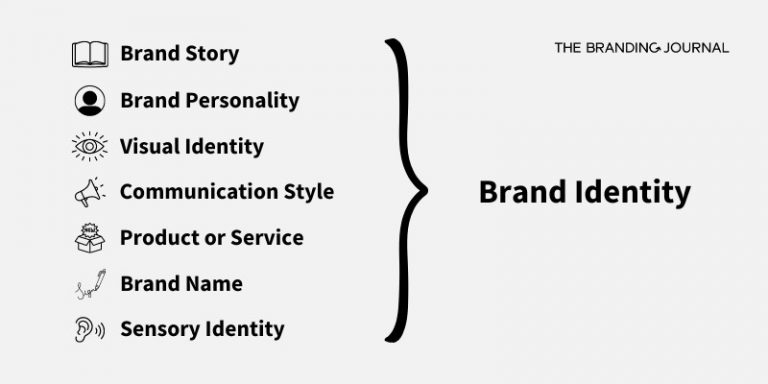
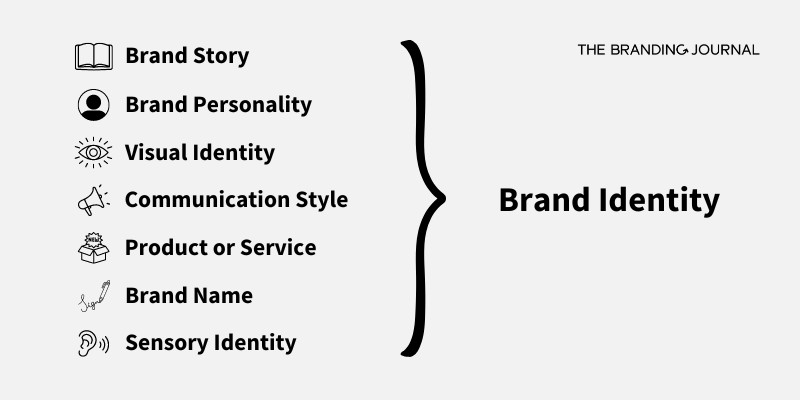
A strong brand identity comprises several key elements that work together to create a cohesive image in the minds of consumers. Understanding these components is crucial for developing an effective branding strategy.
- Logo: The visual representation of the brand, which should be simple yet memorable, and instantly recognizable.
- Color Palette: The selection of colors associated with the brand, which can evoke specific emotions and create a connection with the audience.
- Typography: The fonts used in branding materials that reflect the brand’s personality and tone.
- Voice and Tone: The style of communication that conveys the brand’s values and personality, whether it’s formal, casual, playful, or authoritative.
- Tagline: A memorable phrase that encapsulates the brand’s mission and core message, making it easier for consumers to remember.
- Imagery: The overall visual style, including photography and graphics that align with the brand’s identity and appeal to its target audience.
The combination of these elements creates a unique brand identity that not only differentiates a company from its competitors but also fosters an emotional connection with its customers. A well-defined brand identity helps in building recognition, trust, and loyalty, which are essential for long-term success in any industry.
The Role of Language in Branding
Language plays a crucial role in shaping how a brand is perceived. It is not merely a tool for communication but a powerful element that can evoke emotions, create connections, and influence consumer behavior. The choice of words, tone, and linguistic style can greatly impact a brand’s identity and the message it conveys to its audience.
The language used in branding can establish a brand’s personality and values. For instance, brands that utilize casual, playful language often come across as friendly and accessible, while those that opt for formal, sophisticated language may appeal to a more elite audience. The implications of language in branding can be seen in various case studies where specific word choices have resulted in significant shifts in brand recognition and consumer engagement.
Influence of Language on Brand Recognition
The impact of language on brand recognition can be significant, as evidenced by various marketing campaigns and brand strategies. Brands often tailor their messaging to resonate with specific demographics, which can enhance their visibility and relatability. Here are a few notable examples:
- Apple: Their use of simple, clear language in advertising, such as “Think Different,” emphasizes innovation and creativity, making the brand easily recognizable and relatable.
- Nike: The slogan “Just Do It” reflects motivation and empowerment, creating a strong emotional connection with consumers seeking inspiration.
- Coca-Cola: The phrase “Open Happiness” encapsulates joy and sharing, reinforcing the brand’s association with positive experiences.
In addition to these examples, language can enhance brand messaging through specific words and phrases that resonate with target audiences. Brands can craft messages that reflect their values, mission, and personality, leading to stronger consumer loyalty.
Effective Words and Phrases in Branding
Choosing the right words can significantly enhance a brand’s messaging, making it more memorable and impactful. Effective language can convey the brand’s essence and foster a deeper connection with the audience. Below is a list of powerful words and phrases that can elevate brand communications:
- Innovative
- Exclusive
- Empowering
- Authentic
- Sustainable
- Transformative
- Unmatched
- Crafted with care
- Join the movement
- Experience the difference
These words and phrases not only enhance clarity but also evoke emotions that align with the brand’s values and mission. The careful selection and strategic placement of language can lead to a more profound impact on branding efforts, ensuring that the intended message reaches and resonates with the target audience.
“The right words can paint a vivid picture in the minds of consumers, making branding not just about products, but about experiences.”
Visual Elements of Branding
The visual identity of a brand is a crucial element that significantly influences consumer perception and engagement. A well-defined visual identity not only helps distinguish a brand in a crowded marketplace but also establishes a connection with the audience. Logos, typography, imagery, and color schemes play a pivotal role in conveying the brand’s message and values.The importance of color in branding cannot be overstated.
Different colors evoke various emotions and associations, which can directly affect how a brand is perceived. For instance, blue often conveys trust and reliability, making it a popular choice for financial institutions, while red can evoke excitement and urgency, commonly used in the food industry. Understanding the psychological impact of colors allows brands to strategically choose their palettes to attract and resonate with their target audience.
Color Emotions in Branding
Brands carefully select colors to elicit specific emotional responses that align with their identity. Here’s a breakdown of common colors and their associated emotions:
| Color | Emotion | Brands |
|---|---|---|
| Red | Excitement, Passion | Coca-Cola, Netflix |
| Blue | Trust, Calmness | Facebook, IBM |
| Green | Growth, Health | Starbucks, Whole Foods |
| Yellow | Optimism, Energy | IKEA, McDonald’s |
| Purple | Luxury, Creativity | Yahoo!, Taco Bell |
The color choices are not arbitrary; they are based on extensive research into consumer behavior and psychological responses. By understanding these emotional triggers, brands can effectively communicate their core values and establish a strong emotional connection with their audience.
Key Visual Branding Elements of Major Companies
Analyzing the visual identity of leading companies reveals how they utilize specific elements to reinforce their brand presence. This table compares the visual branding elements of several major companies, highlighting their logos, color schemes, and overall aesthetic.
| Company | Logo | Color Scheme | Visual Identity Features |
|---|---|---|---|
| Apple |
|
Black, White, Silver | Modern, Innovative, Premium feel |
| Nike |
|
Black, White | Dynamic, Athletic, Motivational |
| Coca-Cola |
|
Red, White | Classic, Refreshing, Inviting |
|
Blue, Red, Yellow, Green | Friendly, Accessible, Fun | |
| McDonald’s |
|
Yellow, Red | Welcoming, Fast, Family-friendly |
Each of these companies has crafted a visual identity that not only stands out but also resonates deeply with their audience. The use of logos and color schemes plays a significant role in reinforcing brand recognition and loyalty.
Brand Consistency
Maintaining brand consistency is essential for building trust and recognition among consumers. When customers encounter the same brand message, tone, and visuals across various channels, it reinforces their perception of the brand and enhances loyalty. Consistency not only creates a strong identity but also aids in differentiating the brand from competitors.Brand consistency is critical across all branding channels to ensure that customers have a unified experience, regardless of where they encounter the brand.
Inconsistent branding can lead to confusion, diluted brand identity, and, ultimately, loss of customer trust. This is particularly crucial in a digital age where consumers interact with brands through numerous platforms, each with its unique characteristics and audience expectations.
Strategies for Maintaining Brand Consistency
Implementing effective strategies for maintaining brand consistency in different markets is vital for global brands. Here are several approaches to consider:
- Develop a Brand Style Guide: A comprehensive brand style guide Artikels the do’s and don’ts of branding elements, including logos, colors, typography, and tone of voice. This ensures that everyone involved in the brand’s communication adheres to the same standards.
- Centralize Brand Management: Having a central team or platform that oversees all branding efforts across various markets helps maintain consistency. This team can coordinate marketing efforts and ensure that all materials align with the brand’s core message.
- Regular Training for Staff: Providing ongoing training for employees on the brand’s values, message, and visual identity is crucial. This empowers them to embody the brand consistently in their interactions.
- Monitor Brand Performance: Utilize analytics tools to track how the brand is perceived across different channels and markets. Regularly assessing performance allows for adjustments to be made promptly if inconsistencies arise.
Challenges in Maintaining Brand Consistency
Businesses often face several challenges in their pursuit of brand consistency, especially in diverse markets. Understanding these challenges can help in developing effective solutions.
- Market Variability: Different markets may have varying cultural norms, preferences, and expectations. Striking the right balance between localization and maintaining brand identity can be difficult.
- Team Discrepancies: With multiple teams or agencies involved in branding efforts, discrepancies in messaging and visuals can occur, leading to an inconsistent brand experience.
- Rapid Market Changes: The fast-paced nature of consumer preferences and market trends can make it challenging to maintain consistency. Brands must adapt while staying true to their core identity.
- Resource Limitations: Smaller businesses may face limitations in resources to effectively manage and oversee brand consistency across multiple platforms, leading to potential lapses in branding efforts.
“Consistency breeds trust, and trust is the foundation of a successful brand.”
Branding in the Digital Age
The digital landscape has fundamentally redefined how brands communicate with their audiences. In an era where information is just a click away, brands must adapt to new norms and expectations, ensuring that their message resonates across various platforms. Social media has emerged as a powerful tool for brand promotion, allowing for real-time engagement, customer feedback, and the creation of brand communities.
Understanding this shift is crucial for any brand aiming to thrive in today’s competitive environment.The rise of social media has transformed branding strategies by providing a direct channel between brands and consumers. Brands can now convey their message and engage with their audience in a more authentic and interactive manner. This has led to a shift from traditional, one-way marketing to a more collaborative approach where customer opinions and feedback play a significant role in shaping brand identity.
Effective branding in the digital age requires a keen understanding of various digital platforms and the ability to leverage them to build a strong, cohesive brand presence.
Techniques for Leveraging Digital Platforms for Effective Branding
Utilizing digital platforms effectively can enhance brand visibility and foster customer loyalty. Here are several techniques that brands can employ to maximize their online presence:
Engaging Content Creation
Develop content that resonates with your target audience. This can include blog posts, videos, and infographics that showcase your brand’s values and expertise.
Social Media Campaigns
Run targeted marketing campaigns on platforms like Instagram, Facebook, and Twitter to reach specific demographics and drive engagement.
Influencer Partnerships
Collaborate with influencers who align with your brand’s values. This can amplify your reach and credibility among their followers.
User-Generated Content
Encourage customers to share their experiences with your products on social media. This not only increases engagement but also builds trust in your brand.
Data Analytics
Utilize analytics tools to monitor engagement rates and track the effectiveness of your branding strategies. Adjust your approach based on insights gathered.To support these techniques, various tools and software can aid in digital branding efforts. These tools streamline processes and offer valuable insights that can drive branding success.
Tools and Software for Digital Branding
Implementing the right tools can significantly enhance your branding strategy. Below is a list of essential tools that can aid in digital branding efforts:
Canva
A user-friendly graphic design tool that helps create visually appealing marketing materials.
Hootsuite
A social media management platform that allows brands to schedule posts and analyze social media performance.
Google Analytics
A powerful tool for tracking website traffic, user behavior, and campaign performance.
Buffer
An intuitive application for scheduling posts across various social media channels, helping to maintain consistent engagement.
Mailchimp
An email marketing service that allows brands to create targeted email campaigns and manage subscriber lists effectively.
BuzzSumo
A content research tool that helps identify trending topics and influential content creators in your industry.By leveraging these tools and incorporating effective strategies, brands can navigate the complexities of the digital age and build a strong, impactful presence online.
Measuring Brand Impact
Measuring the impact of branding is essential for any business looking to gauge the effectiveness of its marketing strategies. Understanding how branding influences customer perceptions, loyalty, and overall success can provide valuable insights for future endeavors. Various methods can be employed to assess branding effectiveness and determine how well a brand resonates with its target audience.One effective approach to measuring brand impact is through the use of specific metrics and performance indicators that can give a clear picture of brand health.
These methods help in evaluating consumer awareness, engagement, loyalty, and overall sentiment toward the brand.
Methods for Assessing Branding Effectiveness
A variety of methods can be utilized to assess the effectiveness of branding efforts. Here are some key techniques:
- Brand Awareness Surveys: These surveys assess how well the target audience recognizes and recalls the brand.
- Social Media Engagement Metrics: Analyzing likes, shares, comments, and overall engagement can provide insights into brand perception and audience connection.
- Sales Data Analysis: Tracking sales before and after branding campaigns can help measure the direct impact of branding efforts on revenue.
- Customer Feedback: Collecting qualitative data from customers through reviews, testimonials, and focus groups can reveal insights into brand perception.
Key Performance Indicators (KPIs) are crucial in identifying brand success. They provide tangible metrics that reflect how well branding strategies are performing. Some vital KPIs to consider include:
- Brand Loyalty Rate: Measures the percentage of repeat customers who continue to buy from the brand.
- Net Promoter Score (NPS): Evaluates customer willingness to recommend the brand to others, indicating overall satisfaction.
- Brand Equity Score: Assesses brand value based on consumer perceptions and market position.
- Customer Acquisition Cost (CAC): Calculates the cost associated with acquiring a new customer, giving insight into marketing efficiency.
Conducting Brand Perception Surveys
Conducting brand perception surveys is a structured process designed to gather insights about how consumers view a brand. Here’s a step-by-step approach to conducting these surveys effectively:
- Define Objectives: Clearly Artikel what you aim to achieve with the survey, such as understanding brand awareness, customer satisfaction, or perception changes over time.
- Identify the Target Audience: Determine who will participate in the survey. This could be existing customers, potential customers, or a specific demographic segment.
- Design the Survey: Create questions that are clear, concise, and targeted. Use a mix of multiple-choice, rating scales, and open-ended questions to gather diverse data.
- Distribute the Survey: Choose appropriate channels for distribution, such as email, social media, or through your website, ensuring it reaches your intended audience.
- Analyze the Data: After collecting responses, analyze the data to identify trends, strengths, weaknesses, and areas for improvement.
- Report Findings: Summarize the insights gained from the survey in a report that highlights key findings and actionable recommendations.
Implementing these methods can provide a clearer picture of brand impact and help businesses refine their branding strategies for greater success.
The Future of Branding
As the landscape of consumer behavior continues to evolve, so too does the practice of branding. The future of branding will be shaped by emerging trends that leverage technology, consumer expectations, and a deeper understanding of market dynamics. In this context, brands will need to be more adaptive and innovative to remain relevant and resonate with their audiences.Technological advancements are at the forefront of redefining branding practices.
From artificial intelligence to augmented reality, these innovations are creating new avenues for engagement and personalization. Brands that harness these tools effectively will not only enhance consumer experiences but also streamline their operational strategies, ensuring a cohesive brand message across channels.
Emerging Trends in Branding
Several trends are anticipated to significantly influence the future of branding. The following table Artikels potential future branding strategies and their implications for businesses and consumers.
| Branding Strategy | Implications |
|---|---|
| Personalization through AI | Enhances consumer experience by delivering customized content and product recommendations based on individual preferences. |
| Augmented Reality Experiences | Allows consumers to interact with products in a virtual space, fostering deeper engagement and reducing return rates. |
| Sustainability Branding | Aligns brand values with eco-conscious consumer behavior, appealing to a growing demographic that prioritizes sustainable practices. |
| Community-Centric Branding | Builds brand loyalty by engaging with local communities and addressing their unique needs, enhancing brand trust. |
| Data-Driven Brand Strategies | Utilizes consumer insights and analytics to inform brand strategy, ensuring decisions are backed by real-time data. |
Incorporating these strategies will not only help brands stay ahead of the curve but also foster stronger connections with their audiences. As brands continue to evolve, those who embrace change and innovate will likely lead the way in the branding landscape of the future.
Last Recap
In summary, branding zee engels provides a comprehensive look into the intricate dynamics of branding, emphasizing the importance of a well-crafted identity in today’s market. As we navigate the future of branding, it’s clear that adapting to emerging trends and leveraging technology will be vital for brands looking to maintain relevance and resonance with their audiences.
FAQ Compilation
What is the main purpose of branding?
The main purpose of branding is to create a unique identity for a product or service that resonates with consumers, fostering brand loyalty and recognition.
How does social media impact branding?
Social media has changed the branding landscape by providing platforms for direct engagement with consumers and allowing brands to communicate their values and messages in real-time.
What are some key performance indicators for brand success?
Key performance indicators for brand success often include brand awareness, customer loyalty, social media engagement, and sales growth.
How can a brand maintain consistency across different markets?
A brand can maintain consistency by developing clear guidelines for brand messaging and visual identity, ensuring that all teams are aligned on the brand’s core values and presentation.
What are some emerging trends in branding?
Emerging trends in branding include the use of artificial intelligence for personalized marketing, the rise of sustainability in brand messaging, and the integration of augmented reality in consumer experiences.